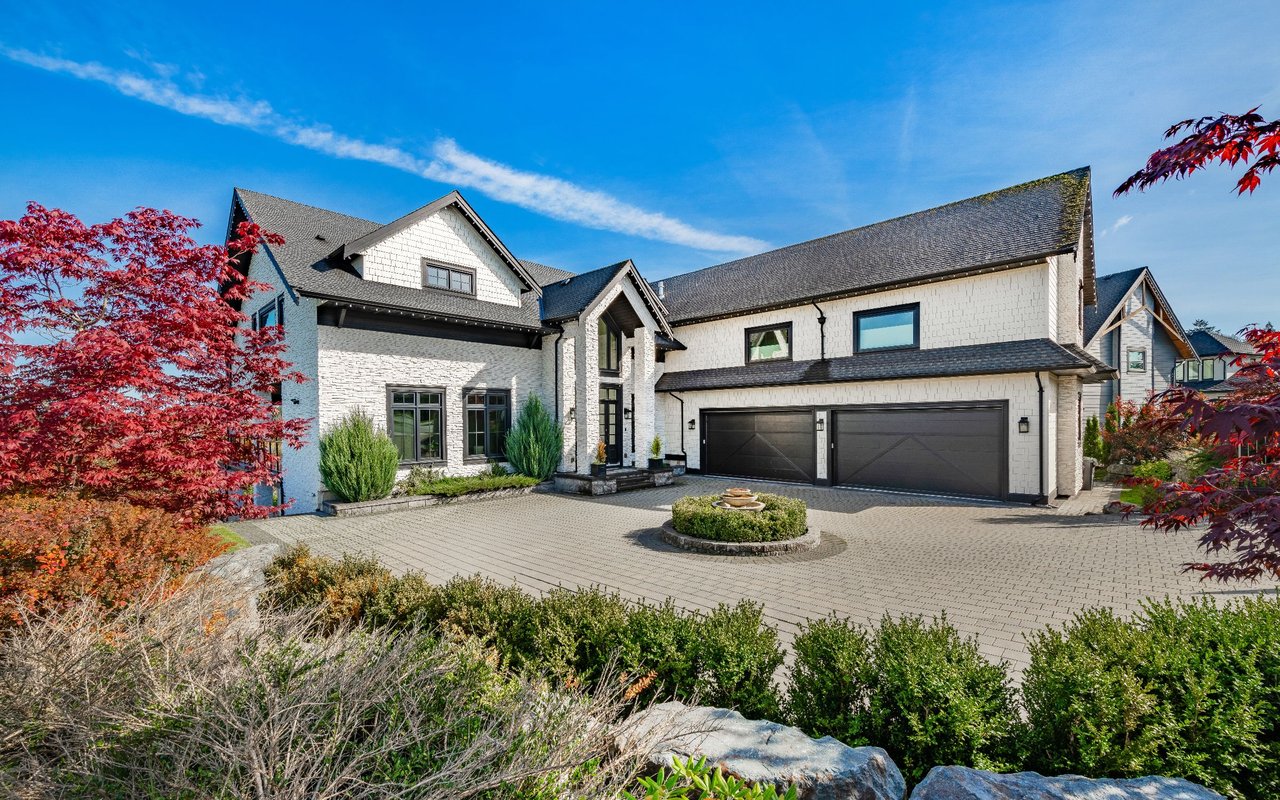
Thinking about selling your historic Snohomish home but not sure how to stage it without losing its soul? You are not alone. Buyers here love original character, yet they also expect comfort and function. The right staging honors your home’s history while showing that daily life feels easy, efficient, and comfortable.
In this guide, you’ll learn how to highlight the best parts of a Victorian, Craftsman, or heritage bungalow, what to fix first in our Pacific Northwest climate, and which updates are smart, reversible, and buyer friendly. You will also see practical budgets, photo tips, and how to avoid common pitfalls. Let’s dive in.
What Snohomish buyers want
Historic Snohomish has a rare concentration of late 1800s and early 1900s homes with original woodwork, stained glass, and inviting porches. Many buyers come specifically for that authenticity. They notice intact trim, built-ins, and original floors.
In the Seattle-Bellevue-Everett metro area, buyers also value modern comfort. Energy efficiency, updated kitchens and baths, and good indoor air quality matter. Because we live with frequent rain, buyers also check roof lines, gutters, porches, and basements for moisture issues. Staging should signal charm and care, plus a dry, well-maintained interior.
Industry guidance shows that professional staging helps homes sell faster and improves buyer perception. With distinctive architecture, staging also helps people understand room scale and livability.
Respect history, win modern buyers
Your guiding principle is simple. Preserve and highlight original features, then add contemporary comforts in a subtle, reversible way. Follow best practices like the Secretary of the Interior’s Standards for Rehabilitation for any changes that touch historic fabric.
Interior cosmetic staging usually does not require permits, but exterior work in historic districts can. Before changing porch elements, windows, roofing, or exterior paint on a designated property, check with the City of Snohomish Historic Preservation Commission and local planning staff. Document original features and avoid irreversible changes.
Pre-staging checklist for Snohomish
Start with safety and moisture
- Fix minor roof or porch leaks, clean gutters, and confirm correct flashing.
- Address signs of damp basements or attics. A dry, fresh scent builds confidence.
- Stabilize loose trim, balusters, and stair rails. Safe equals cared for.
- Confirm windows operate and lock. Clean or restore original glass rather than replace when possible.
Clean and declutter with care
- Deep clean woodwork, brass, hardware, and glass so original materials shine.
- Remove heavy drapes that block light and hide window proportions. Use light-filtering treatments.
- Edit bulky furniture to open pathways and showcase molding and built-ins.
- Keep personal items minimal. Create simple, tasteful vignettes that hint at lifestyle.
Lighting and electrical that feels warm
- Brighten darker rooms with warm LED bulbs at 2700 to 3000K.
- Retain or restore period fixtures where visible. Update wiring and add discreet modern switches and outlets to meet safety standards.
- Use directional lighting to highlight mantels, stained glass, or ceiling medallions.
Paint and color that complement
- Neutralize walls if colors are very bold. Choose soft creams and warm neutrals that echo historic palettes.
- Keep original trim and wood finishes intact whenever possible. If wood has been painted, seek preservation guidance before repainting.
- Consider a slightly darker paint at the back of built-ins to showcase display items.
Floors, rugs, and textiles
- Refinish original floors rather than replace when feasible.
- Size rugs to show the floor’s perimeter and the room’s proportions.
- Choose natural fibers and quality textiles that echo the home’s character without feeling theme-heavy.
Style-by-style staging
Victorian homes
Victorians often feature asymmetrical facades, ornate trim, leaded glass, and high ceilings. Buyers want that romance and detail, but also neutral spaces to imagine life.
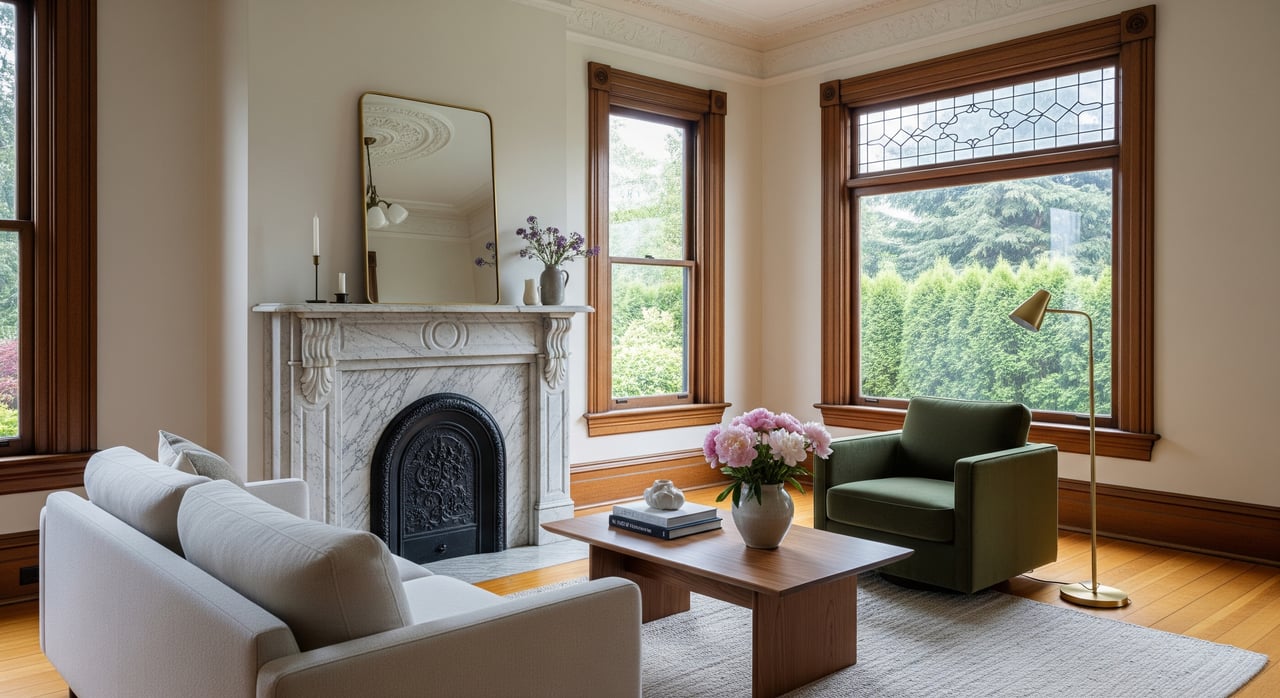
- Highlight focal elements like mantels, stained glass, and ceiling medallions with accent lighting.
- If walls are very bold, repaint to a warm neutral while keeping trim sympathetic in white or cream.
- Use slightly smaller-scale furniture so details remain visible, and avoid over-furnishing.
- Refinish or reveal hardwoods. If floors are worn, use area rugs that frame surviving edges.
- Add period-appropriate touches in moderation, such as velvet pillows or a single antique mirror.
- Avoid stark, minimalist staging that hides ornament or painting over significant trim without guidance.
Craftsman homes
Craftsman style celebrates honest materials and built-ins. Buyers look for warmth, function, and a flow that connects indoors and out.
- Showcase built-ins by styling shelves with books, ceramics, and a few plants.
- Choose earthy neutrals and natural fibers that complement wood tones.
- Pick furniture with simple, robust lines and create family-friendly layouts.
- Stage porches as outdoor rooms with seating and a woven rug.
- Use warm LED lighting to flatter original wood.
- Avoid painting over intrinsic woodwork or adding glass-heavy modern pieces that compete with craftsmanship.
Heritage bungalows
Bungalows tend to be modest in scale with practical layouts and welcoming porches. Buyers want move-in readiness and smart use of space.
- Remove bulky furniture to maximize light and flow.
- Show flexible zones, such as a small desk nook for remote work.
- Freshen porches and entries to boost curb appeal.
- In kitchens and baths, emphasize cleanliness, tidy counters, and functional fixtures without heavy remodels.
- Avoid aggressive modern changes that erase built-ins or the original footprint.
Curb appeal for the Pacific Northwest
First impressions start at the sidewalk, especially on a rainy day. Make the porch feel like a destination.
- Repair steps, touch up paint, and replace any rotted posts.
- Keep plantings tidy and choose simple, period-appropriate porch pots, like ferns or hydrangeas.
- Ensure address numbers and porch lights are clean and visible.
- Consider a twilight photo to capture the home glowing warmly, even under cloudy skies.
Kitchens and baths that fit the era
You do not need to re-create the exact period details to gain buyer interest. Aim for sympathetic modernization.
- Refinish existing cabinets and add period-appropriate hardware where it makes sense.
- When replacing appliances, choose classic proportions or panel-ready fronts that blend in.
- Keep tile and trim choices timeless and complementary to the home’s era.
- In baths, focus on function: reliable plumbing, bright lighting, and clean grout.
Photograph and present the story
Quality photos should capture both rooms and details. Include images of stained or leaded glass, mantels, built-ins, and ceiling trim. These shots help buyers understand what makes your home special.
In your listing copy, add a brief “heritage highlight” that names key preserved features and recent care, like a restored porch or refreshed original floors. Share the romance without making the property sound difficult to maintain. Emphasize comfort, stewardship, and daily livability.
Budget tiers that deliver ROI
Every historic home is unique, but these tiers help you plan smart investments.
- Low-cost, under $1,500: deep clean, declutter, repaint key rooms, replace select hardware, add textiles and accessories, porch tidy-up, small repairs.
- Mid-range, $1,500 to $8,000: professional staging for key rooms, floor refinishing, lighting restoration, cosmetic kitchen or bath refresh like painted cabinets and new fixtures, pro photography.
- Higher-range, over $8,000: structural repairs, sympathetic kitchen and bath projects that respect period features, major restoration of character elements, and landscape upgrades.
A walkthrough with a stager who understands historic homes can help you prioritize the most impactful steps for your budget and timeline.
Common pitfalls to avoid
- Covering historic floors or built-ins with bulky furniture or rugs.
- Painting over original woodwork without preservation guidance.
- Ignoring moisture clues on porches, roofs, or basements.
- Over-stuffing rooms so buyers cannot see scale, circulation, or architecture.
- Going fully ultra-modern in a way that competes with period character.
How a local expert helps
A historic home rewards thoughtful preparation. An accredited staging professional with deep Snohomish experience can balance preservation with market expectations. You get a plan that respects original features, solves buyer objections, and elevates presentation.
If you want white-glove listing services that blend staging-first strategy, professional photography, and lifestyle marketing, connect with Kathie Salvadalena. As a managing broker and accredited staging professional, Kathie brings nearly two decades of local expertise to help you sell with confidence.
FAQs
Will staging damage historic features?
- Proper staging is reversible and non-invasive. Use non-permanent attachments and consult preservation guidance before any structural work.
Do I need permits for staging or repainting?
- Interior staging and temporary repainting typically do not require permits. Exterior changes in historic districts may need review. Confirm with the City of Snohomish.
How much should I invest to see a return?
- Spend where it removes buyer objections first, like leaks, moisture, and safety. Then focus on presentation, including decluttering and lighting. Cosmetic projects often deliver strong short-term results.
How do I add modern amenities without losing character?
- Keep modern systems discreet. Choose finishes and fixtures that complement period details rather than compete with them.
Should I disclose historic status or maintenance issues?
- Yes. Transparency about any designation, known concerns, and recent repairs builds buyer trust and sets realistic expectations.