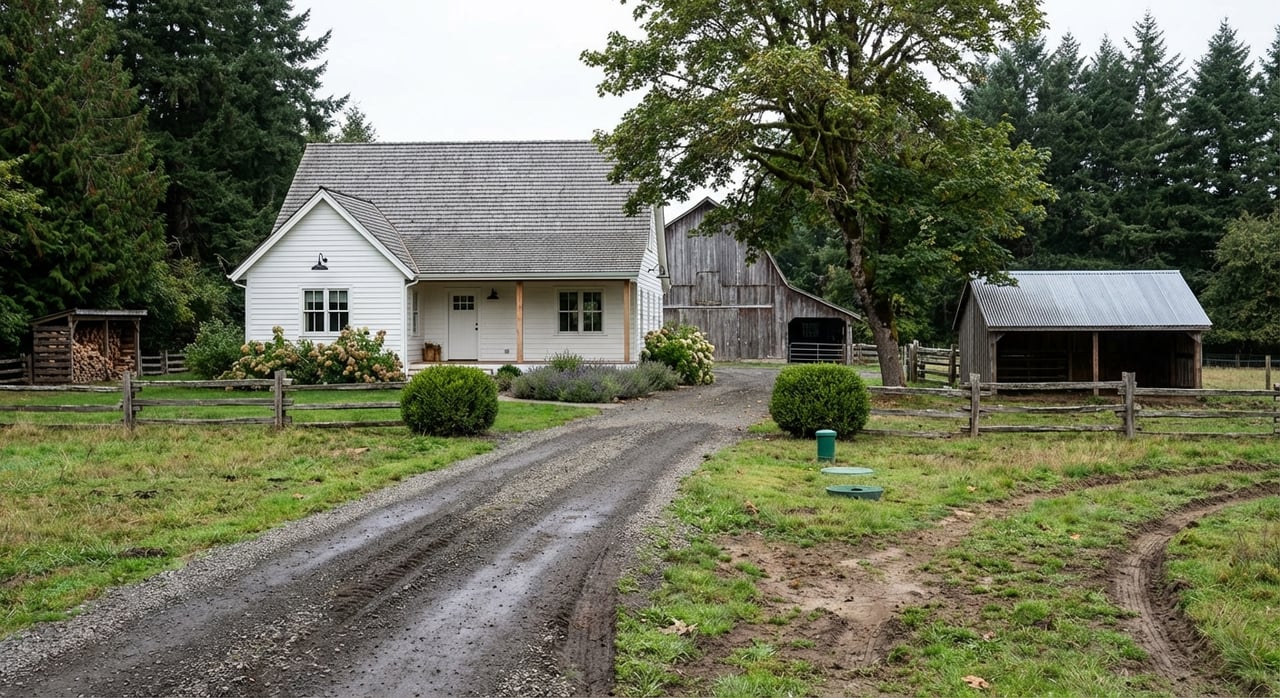
Thinking about selling your Snohomish acreage or hobby farm, but not sure where to start? Rural properties are special, and the details that make them wonderful to live on can add a few extra steps when you sell. With the right preparation and a clear plan, you can move through disclosures, septic and well items, zoning, and financing without surprises. This guide breaks down what to expect in Snohomish County so you can list with confidence and protect your timeline. Let’s dive in.
Why acreage sales feel different
Acreage and hobby farms are valued for usable land, not just total acres. Buyers and appraisers will look closely at pasture area, access, water availability, and any critical-area constraints like wetlands or floodplains. You can confirm zoning and mapped constraints early using the county’s PDS GIS maps and applicable use tables in the county code’s rural and resource zones, such as those listed in SCC 30.21.025.
Clear access also matters. If your driveway crosses private land, expect buyers to review easement language and any road maintenance agreement. These items appear in title and on the Seller Disclosure Statement, so get them organized before you go live.
Key disclosures and documents to gather early
Seller Disclosure basics in Washington
Washington law requires you to deliver a standardized Seller Disclosure Statement for improved residential property. It includes questions about water, wells, and on-site sewage systems and gives buyers a short rescission window after receipt. Review the statute and complete the form early so you can attach supporting records for a smooth review under RCW 64.06.020.
Septic systems and the 2027 transfer rule
On-site sewage systems are top-of-mind for rural buyers and lenders. New state rules add a property-transfer inspection requirement beginning February 1, 2027, with limited local waivers. Snohomish County is preparing local implementation, so plan ahead and confirm current procedures with the health department. You can read the statewide rule update in WSR 23-22-062 and access local records and guidance through the county’s LakeWise septic page.
Practical step: Pull your as-builts from the Online RME or county records and collect pumping, maintenance, and any inspection receipts. If it has been a while, consider a pre-listing pump and inspection to get in front of any repairs.
Private wells and water testing
There is no blanket state or county requirement that every private well be inspected for every real estate sale. That said, the health department recommends annual testing for coliform and nitrate, and many lenders ask for water quality documentation during underwriting. Gather your well log and recent test results if you have them. For general testing guidance, see the Department of Health’s page on testing your water and local recommendations from the Snohomish Health Department on maintaining your well.
Zoning, critical areas, and easements
Zoning sets the rules for permitted uses, minimum lot sizes, and accessory structures. Rural designations like R-5, A-10, and others can affect how buyers plan to use the property. Check your parcel’s designation in SCC 30.21.025 and verify on the PDS GIS maps.
Critical areas such as wetlands, streams, floodplain, and geologically hazardous areas may limit building and pasture expansion and can come with recorded buffers or site plans. Identify and disclose these early so buyers understand usable acreage vs. constrained zones.
Tax classifications and conservation encumbrances
Snohomish hobby farms sometimes benefit from reduced taxes under Washington’s Open Space or Farm and Agricultural Current Use program. These classifications can carry use conditions and potential payback if changed. Confirm your status with the assessor and review the program basics in RCW 84.34.
Financing and timeline impacts
What lenders look for on rural properties
Buyers using FHA, VA, USDA, or conventional financing must meet health and safety standards for potable water and acceptable sewage disposal. Expect requests for well tests, septic documentation, and evidence that systems are functioning. FHA’s Mortgagee Handbook outlines these requirements for appraisers and underwriters; you can reference the relevant guidance in the FHA 4000.1 handbook.
If your buyer is using a USDA loan, eligibility depends on the address. Many rural parcels qualify, so it helps to check the official USDA property eligibility tool early and note eligibility in your listing remarks.
Typical costs and scheduling you should plan for
- Septic pump-out: Commonly about 300 to 800 dollars depending on tank size and disposal costs. Scheduling often takes days to a couple of weeks, with longer lead times in spring and summer.
- Time-of-sale septic inspections: Where required by lender or local process, inspection and filing often total 600 to 900 dollars, excluding any repairs. Give yourself time for corrections if needed.
- Well tests: Budget for lab turnaround and the possibility of repeat testing if results are borderline. DOH recommends annual coliform and nitrate testing; see state guidance for details.
If a report flags a failing system, many lenders will require repairs before closing or an approved escrow plan. Getting estimates early can keep your transaction on track.
Pre-list prep that pays off
Build a buyer-ready property file
Create a single digital folder you can share during showings and with offers:
- Completed Washington Seller Disclosure Statement with attachments. See RCW 64.06.020.
- Septic as-builts, pumping and maintenance records, and any inspection reports. Use the county’s LakeWise septic page to locate records.
- Well log and recent water test results, plus notes about seasonal yield if applicable. Local guidance: Maintaining your well and state testing info.
- Zoning map printouts and any known critical-area notes from the PDS GIS maps.
Optimize access, land, and structures
- Tune up driveways and gates. Clear signage and smooth main access help buyers and appraisers.
- Repair or replace worn fencing and tidy paddocks. Equestrian and hobby-farm buyers notice safe, functional enclosures.
- Clean and organize barns and outbuildings. Remove hazardous materials, stage storage zones, and show clear pathways.
- Consider a pre-listing septic inspection and well test. With a 2027 transfer inspection rule ahead, early documentation can reduce back-and-forth later.
As a staging-led listing specialist, I also recommend crisp, lifestyle-focused visuals that show how the land lives. Drone images and property-walk videos can help buyers grasp layout and usable acreage. Use a qualified commercial operator and capture in all four seasons when possible.
Common red flags and how to avoid them
- Failing septic or contaminated well water. Pre-test and address issues before buyers order their inspections. Lenders look for safe, functioning systems under standards outlined in sources like the FHA handbook.
- Undisclosed easements or access disputes. Verify recorded easements and road agreements and reference them in your Seller Disclosure per RCW 64.06.020.
- Critical area impacts on usable acreage. Use the PDS GIS maps to identify buffers and note them in your packet so buyers understand where improvements can and cannot go.
- Open space or farm tax classifications with conditions. Buyers will ask about use requirements or potential payback. Review your status under RCW 84.34 and coordinate with the county assessor.
Ready to simplify the process and showcase your acreage at its best? With accredited staging, professional visuals, and a clear plan for rural disclosures, you can sell with confidence and speed. If you want hands-on guidance from a local listing specialist, connect with Kathie Salvadalena for a complimentary consultation.
FAQs
Do I need a septic inspection to sell in Snohomish County?
- A statewide rule adds property-transfer septic inspections starting February 1, 2027, so check current Snohomish Health Department procedures and plan for inspection and any needed repairs early.
Are well tests required when I sell a hobby farm in Washington?
- There is no universal mandate for every sale, but local health authorities recommend annual coliform and nitrate testing, and many lenders require recent water quality documentation.
How can I confirm my zoning and usable acreage before listing?
- Review your parcel on the county’s PDS GIS maps for zoning and critical areas, then check permitted uses and standards in SCC 30.21.025 to understand what buyers can do with the land.
What costs and timelines should I expect for septic and well items?
- Typical ranges include 300 to 800 dollars for a pump-out and 600 to 900 dollars for inspection and filing, plus lab time for water tests and potential repeat sampling if results are borderline.
What should go in my rural property disclosure packet?
- Include the state Seller Disclosure form, septic as-builts and service records, well log and recent tests, zoning and map printouts, and any easements or critical-area notes.
Can buyers use USDA loans to purchase my Snohomish acreage?
- Many rural addresses may qualify, but eligibility is address-specific, so it helps to check the USDA property eligibility tool early and note it in your listing if applicable.