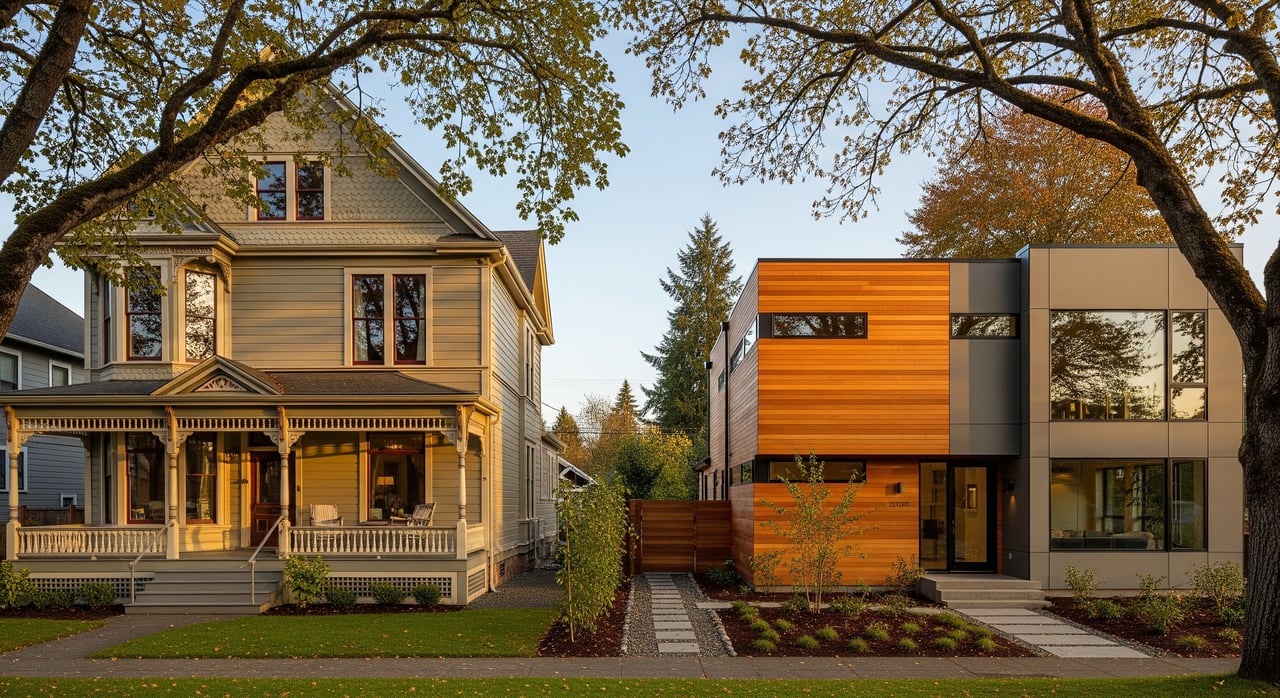
Torn between the charm of a downtown Victorian and the convenience of a newer build on the edge of town? You are not alone. In Snohomish, age, character, location, and condition all play big roles in how a home holds value. In this guide, you will see how historic and newer homes compare on price potential, maintenance costs, buyer demand, and rules that can affect your plans. You will also get practical next steps to protect your bottom line when you decide to sell. Let’s dive in.
What drives value in Snohomish
Snohomish sits within the larger Seattle–Bellevue–Everett market, yet it has a distinct identity. Downtown’s walkable streets, vintage storefronts, and proximity to the river create a destination neighborhood with limited inventory. At the same time, newer subdivisions on the edges of town offer space, modern layouts, and lower immediate maintenance.
Across the area, three factors consistently shape value: location near downtown amenities, condition and quality of updates, and how well a home matches what today’s buyers want. Those wants often split along the historic versus newer line, which is why it helps to compare by age cohorts and features.
Price patterns by age cohort
A useful way to compare values is by year built: pre-1940, 1940–1979, 1980–1999, and 2000 or newer. Age alone does not set price, but it does tend to signal layout, systems, and likely maintenance. Here is how value commonly plays out in Snohomish.
Historic homes: When character pays
Well-kept Victorians, Craftsman bungalows, and other pre-1940 homes in or near the historic district can command a premium. Value climbs when original features are intact, systems are updated, and the home sits on a walkable street close to Main Street dining and shopping. Studies of preservation economics also find that historic district designation can help stabilize or enhance property values over time compared with non-designated areas, especially in strong destination neighborhoods. You can read more about these findings in the National Trust’s overview of studies on preservation and property values.
Not every old home sells at the top. Properties with significant deferred maintenance, awkward floor plans, or limited parking may trade below similarly sized updated homes of any age. For sellers, documenting high-quality restoration and system upgrades is key to proving value.
Newer construction: Modern features and efficiency
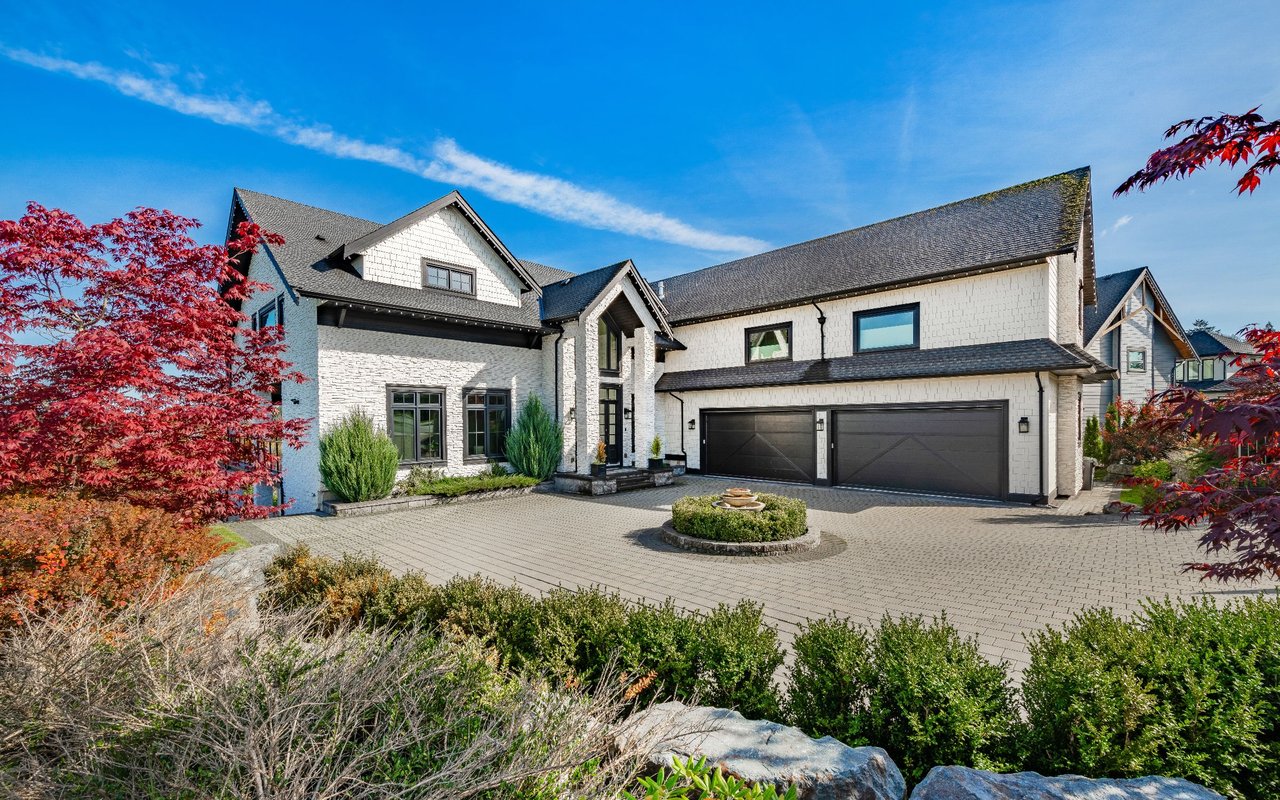
Homes built since 2000 often deliver open-concept layouts, larger kitchens, primary suites, and attached garages. They also tend to have better energy performance and fewer near-term capital expenses, which many buyers value. In like-for-like comparisons, newer homes can outpace older ones on price where modern features, easy parking, and lower operating costs outweigh character.
As always, the winner on value is the home that best balances location, condition, and layout for the current buyer pool.
Maintenance and upgrade costs to expect
Older Snohomish homes can carry higher upkeep. Common items in pre-1970s properties include aging electrical systems, galvanized plumbing, older roofs, original single-pane windows, and dated heating equipment. Homes near low-lying areas may also have crawlspace moisture or foundation concerns.
A practical budget rule of thumb is to set aside about 1 to 4 percent of the home’s value per year for maintenance. Older homes often fall on the 2 to 4 percent side, especially if systems are approaching end of life. Typical replacement ranges you might see in bids include:
- Roof replacement: about $7,000 to $20,000
- Electrical service or major updates: about $3,000 to $12,000
- Full HVAC replacement: about $5,000 to $15,000
- Whole-house window replacement: about $8,000 to $30,000
Project cost and resale impact vary by scope and finish level. For a sense of typical returns on popular projects, Remodeling’s annual Cost vs. Value report is a helpful reference.
Buyer demand and resale drivers
- Historic-home appeal: Many buyers seek unique architectural details, mature landscaping, and proximity to downtown shops and trails. A thoughtfully restored home that blends period character with updated systems often sees strong demand.
- Newer-home appeal: Other buyers prioritize open layouts, larger bedrooms, attached garages, and lower near-term maintenance. Energy efficiency and predictable operating costs can be persuasive, especially for cost-conscious shoppers.
- Universal must-haves: Clean presentation, documented improvements, smart staging, and accurate pricing shorten days on market for both historic and newer homes.
Historic rules, permits, and what they mean
Snohomish has a recognized historic downtown with local design review for exterior changes on designated properties. Requirements can add time and steps to certain projects, but they also protect the character that supports long-term value.
Designations vary. Listing on the National Register generally does not restrict a private owner unless federal funds or permits are involved. Local ordinances can impose controls, design guidelines, or commission review for exterior work. For a primer on designations and how they work in Washington, the Department of Archaeology and Historic Preservation provides clear guidance on its statewide preservation site.
For sellers, having records of past approvals, permits, and historically sensitive work helps buyers feel confident about the home’s stewardship.
Site factors to check in Snohomish
- Flood risk: Parts of Snohomish lie within mapped floodplains near the river. Flood insurance costs and lender requirements can affect affordability and demand. You can view official maps at FEMA’s Flood Map Service Center.
- Seismic considerations: Older masonry chimneys and unreinforced elements may need retrofit work. Upgrades can reassure buyers, and documentation supports value.
- Utilities: Some older properties may have original sewer laterals or be on older septic systems. Verifying records and recent maintenance is a simple way to prevent surprises during escrow.
Compare two homes like an appraiser
If you want to understand value by age, compare apples to apples. Here is a simple process you can use with your agent’s help:
- Define age cohorts. Group recent solds by year built, for example pre-1940, 1940–1979, 1980–1999, and 2000 or newer.
- Control for size and lot. Filter to similar finished square footage, bed and bath count, and lot size.
- Prioritize location. Give extra weight to proximity to downtown Snohomish and neighborhood amenities, which strongly influence resale.
- Study three core metrics. Compare price per square foot, median days on market, and sale-to-list price ratio for each age group.
- Adjust for condition. Note system updates, roof age, window type, HVAC, and kitchen and bath quality. Distinguish restored historic properties from fixers.
- Account for site factors. Check for floodplain mapping, topography, and utilities, since each can move the needle on price and time to sell.
- Choose three to six true comps. Pair a restored historic with a comparable updated newer home to see how buyers trade off character, location, and convenience.
This approach gives you a grounded comparison without oversimplifying value to age alone.
Seller strategies that protect value
Whether your home is a 1905 Craftsman or a 2015 contemporary, presentation and documentation matter. These moves help you capture top dollar:
For historic homes
- Highlight preserved details and period-appropriate updates. Buyers respond to authenticity presented with care.
- Document system upgrades and exterior work that passed design review. Transparency reduces objections.
- Consider a pre-listing inspection to address common older-home concerns before the first showing.
- Follow federal lead-based paint rules for pre-1978 homes, and consider inspections for asbestos or other legacy materials.
For newer homes
- Emphasize modern systems, energy features, and any transferrable builder or system warranties.
- Refresh high-impact areas like paint, lighting, landscaping, and minor kitchen or bath updates to boost appeal.
Across both groups, professional staging, crisp photography, and lifestyle-forward marketing help shorten market time and lift sale price. Thoughtful preparation shows buyers exactly what they are getting and why it is worth it.
Quick decision checklist
Use this checklist to choose your path and set priorities:
- What is my likely buyer prioritizing, character or convenience, or both?
- How does my location compare to recent solds, especially relative to downtown?
- Which high-ROI repairs or updates will remove buyer objections quickly?
- Do I need design review or permits for my planned exterior work?
- Are there site issues to disclose or address, like floodplain or sewer laterals?
- What is my realistic maintenance budget over the next 1 to 3 years if I do not sell now?
The bottom line
In Snohomish, historic and newer homes can both win on value. A restored in-town classic with strong systems and documented stewardship can match or exceed newer-home pricing when it delivers walkability and character. A well-kept newer home often leads when modern layouts, energy performance, and lower near-term costs top buyer priorities.
Your best move is to price against the right cohort, control for location and condition, and present the property with clarity and care. If you are weighing updates versus listing as-is, a clear plan, accurate comps, and skilled staging can make the difference between a good sale and a great one.
If you are considering a sale in Snohomish and want a tailored plan to maximize price and minimize stress, reach out to Kathie Salvadalena for a free seller consultation and home valuation. With accredited staging, boutique marketing, and deep downtown expertise, you will have a trusted guide at every step.
FAQs
How do historic and newer Snohomish homes generally compare on price?
- Well-updated historic homes near downtown can match or exceed newer-home prices, while historic fixers often sell below updated newer homes; value depends on location, condition, and layout, with preservation research noting stability benefits for historic districts as seen in the National Trust’s summary of studies.
What maintenance costs should I expect with a pre-1940 Snohomish home?
- Plan on a 2 to 4 percent annual maintenance budget with potential big-ticket items like roofs, electrical, HVAC, and windows, and consider a pre-listing inspection to address concerns early.
How does historic designation affect renovations in Snohomish?
- Designated properties often require local design review for exterior changes, which can add steps and time; state resources at WA DAHP explain designations, while National Register listing alone typically does not restrict private owners unless federal funds or permits are involved.
Does flood risk impact home values in Snohomish?
- Yes, being in a mapped floodplain can influence insurance costs, financing, and demand; confirm your risk using FEMA’s Flood Map Service Center and plan disclosures accordingly.
Which upgrades usually deliver the best resale boost before selling?
- Necessary system upgrades, roof or HVAC replacements, energy-efficiency improvements, and focused kitchen or bath refreshes often provide strong buyer appeal, with project insights available in the Cost vs. Value report.