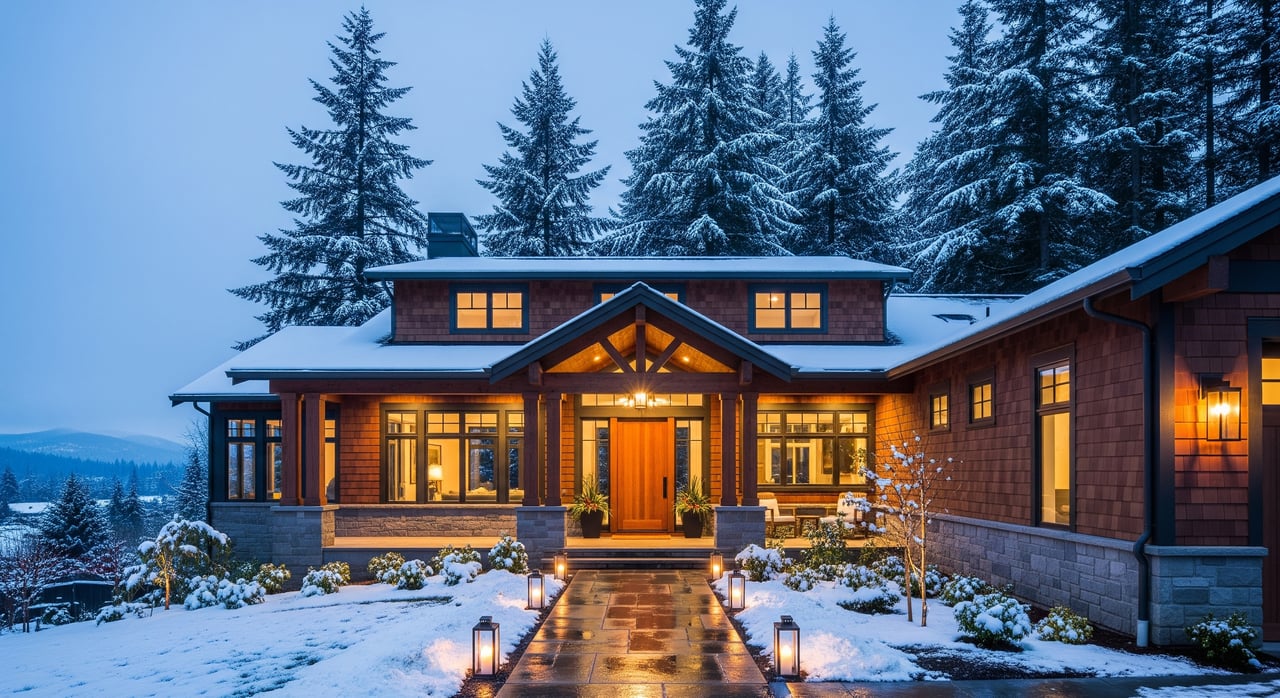
Thinking about listing your Snohomish home in winter? You are not alone, and you are not behind. Winter in the Seattle–Bellevue–Everett area brings fewer listings and fewer casual shoppers, which can create a real opening for a well-prepared seller. In this guide, you will learn the key pros and cons of selling in a Snohomish winter, how to prepare your home for short days and wet weather, and the pricing and negotiation strategies that work. Let’s dive in.
Why sell in a Snohomish winter
Winter usually means lower inventory across the Puget Sound region. With fewer competing homes, your listing can stand out if it is priced and presented well. Buyer traffic is smaller, yet winter buyers are often more motivated due to relocations, life changes, and timing needs.
Snohomish and greater Snohomish County include historic homes, suburban developments, townhomes, and rural acreage. Seasonality affects each segment a bit differently, but the core opportunity is the same. Less competition and serious buyers can add up to strong results when your strategy is dialed in.
Pros to selling in winter
- Less competition from other listings, especially from late November through February.
- Buyers who tour in wet weather are usually serious and motivated.
- Condos and townhomes near transit corridors can hold steadier demand from commuters.
- A well-priced, well-presented home can draw strong offers even with fewer showings.
Cons to plan around
- Short daylight hours limit showing and photography windows.
- Rain and occasional ice or snow can affect access and safety.
- Landscaping is dormant, so exterior appeal needs more intention.
- Inspections, appraisals, and closings can face weather delays.
These challenges are manageable with clear planning. The right preparation and showing strategy will keep buyer confidence high and the process smooth.
Smart prep that wins winter buyers
Winter showings are won inside the front door. Buyers want to feel warm, safe, and confident about the home’s systems.
Home systems and maintenance
- Heating: Service your furnace or heat pump, change filters, and keep receipts handy. Buyers test the heat quickly.
- Roof and gutters: Clear leaves and debris and confirm there are no active leaks.
- Sump pumps and drainage: Test the system and document any recent service. Show that water drains properly.
- Pipes and plumbing: Insulate exposed pipes, especially in older or rural homes. Note any winterization steps.
- Electrical and safety: Replace weak bulbs and check smoke and carbon monoxide devices.
Curb appeal and entry safety
- Add warm exterior lighting to highlight the path and porch.
- Power-wash the entry, remove leaves, and place a clean, non-slip doormat.
- Use ice melt or sand on slick steps and walkways. Keep rural driveways passable.
- Add evergreen planters or winter-tough potted accents for color.
Staging and photos that shine in short days
Lighting and warmth are your superpowers in winter. A few targeted steps will improve both in-person and online impressions.
- Maximize natural light: Deep clean windows, open blinds and curtains, and schedule showings during brighter hours.
- Layer your lighting: Use a mix of overheads, lamps, and accents with warm bulbs for a cozy feel.
- Manage temperature and scent: Keep the home comfortably warm. Choose neutral, light scents.
- Protect floors: Set a shoe tray and rugs near the entry to manage wet traffic.
- Photography: Hire a photographer who knows winter light and HDR. Consider midday shoots and a twilight look to showcase warmth.
- Virtual options: Offer a high-quality 3D tour or video walkthrough so weather-averse or out-of-area buyers can explore.
Pricing and negotiation for winter
Price with the current market, not spring expectations. You want to be the clear best choice within your competitive set.
- Set a competitive list price that reflects recent comparables and the lower-inventory landscape.
- Avoid “testing high” in winter. Price reductions can drain momentum when buyer pools are leaner.
- Consider a pre-listing home inspection to find and fix winter-sensitive issues. For rural properties, add well and septic inspections.
- Prepare to share receipts and system status. Heating and drainage documentation helps buyers move faster.
- Expect targeted concessions instead of steep cuts. Closing cost credits, a home warranty, or minor repair credits often solve winter concerns.
Showing logistics and safety
Plan around short days and wet conditions so showings feel easy and safe.
- Provide clear parking and entry instructions, especially in icy conditions.
- Keep sidewalks and steps ice-free. For rural homes, ensure long driveways are sanded and gates are open.
- Be flexible with scheduling. Weather can affect inspections and appraisals.
- Offer virtual showings during storms to keep momentum.
Strategy by property type
Every property type has a winter story to tell. Highlight the features that matter most to cold-weather buyers.
Historic and Craftsman homes
- Showcase preserved woodwork and period details with warm lighting.
- Document recent heating and roof service. Buyers appreciate proof of care.
- Keep gutters and flashing in order to avoid moisture concerns.
Suburban single-family homes
- Emphasize energy efficiency, garage and mudroom convenience, and easy access to daily services.
- Keep the garage bright and tidy so buyers can imagine a clean landing zone on wet days.
Townhomes and condos
- Coordinate with the HOA for quick access to documents and any rules.
- Highlight amenities that matter in winter, such as covered parking or a fitness room.
Rural and acreage properties
- Prioritize driveway access and clear signage. Share your snow and ice plan.
- Provide well and septic documentation and service records.
- Note any heated outbuildings or all-weather access features.
A simple 2-week action plan
Use this quick-start checklist to get market-ready without the guesswork.
Week 1: Prep and proof
- Service the heating system and change filters, then gather receipts.
- Clear gutters and downspouts and check the roof for leaks.
- Test the sump pump and confirm drainage. Document any maintenance.
- Declutter, depersonalize, and remove excessive holiday decor.
- Hire a photographer experienced with winter light. Schedule a midday shoot.
- Consider a pre-listing inspection and handle high-priority items.
Week 2: Shine and launch
- Add exterior path and porch lighting for a welcoming entry.
- Power-wash the porch, place a clean doormat, and add evergreen planters.
- Set up layered lighting indoors, using warm bulbs throughout.
- Prepare a shoe station and floor protection at the entry.
- Build your virtual assets, such as a 3D tour or video walkthrough.
- Draft weather-aware showing instructions and offer flexible scheduling.
How a boutique, staging-first strategy helps
In winter, presentation and clarity often decide the sale. Accredited staging, professional photography, and lifestyle-focused marketing help buyers connect with your home in fewer showings. Clear documentation of heating, roof, and drainage systems increases confidence and speeds negotiations.
If you want a hands-on plan, a staging-led approach aligns perfectly with winter conditions. You set the tone with warmth and safety, then back it up with service records and smart pricing.
Final thoughts
Selling in a Snohomish winter is not about waiting for perfect weather. It is about reducing friction for buyers, proving your home is well cared for, and using smart pricing in a lower-inventory season. With the right prep, presentation, and flexibility, you can capture motivated demand and move on your timeline.
Ready to talk timing, pricing, and a tailored winter plan for your property? Connect with Kathie Salvadalena for a free seller consultation and home valuation.
FAQs
Is winter a bad time to sell in Snohomish?
- Not necessarily. Inventory is lower and buyers are more motivated, so a well-priced, well-presented home can perform well even with fewer showings.
Will I have to cut my price because it is winter?
- Not by default. Competitive pricing, strong presentation, and small concessions like closing credits or a home warranty can be more effective than steep cuts.
How do I handle curb appeal when the yard is dormant?
- Focus on hardscape, lighting, and a clean entry. Add evergreens or winter-tough planters and make sure paths are safe and well lit.
Should I take down holiday decor before showings?
- Keep it minimal and neutral. Remove excess decor and any religious displays so buyers can focus on the home.
Are appraisals different in winter?
- Appraisers rely on comparable sales. When activity slows, they may use slightly older comps, so having strong market context and documentation helps.
How can I show a rural property during snow or ice?
- Keep the driveway passable and clearly marked, provide detailed access instructions, and offer virtual tours when travel is difficult.