Imagine stepping out your front door to the scent of fresh coffee, strolling past brick storefronts and vintage displays, then ending the day with a quiet walk along the river. If you want small-town charm with real walkability, Historic Downtown Snohomish delivers. You’ll find character homes, an active main street, and easy access to parks and trails, all in one compact neighborhood. In this guide, you’ll learn what it’s like to live here, what types of homes you can expect, the trade-offs to consider, and how to plan a smooth purchase or sale. Let’s dive in.
Why downtown Snohomish appeals
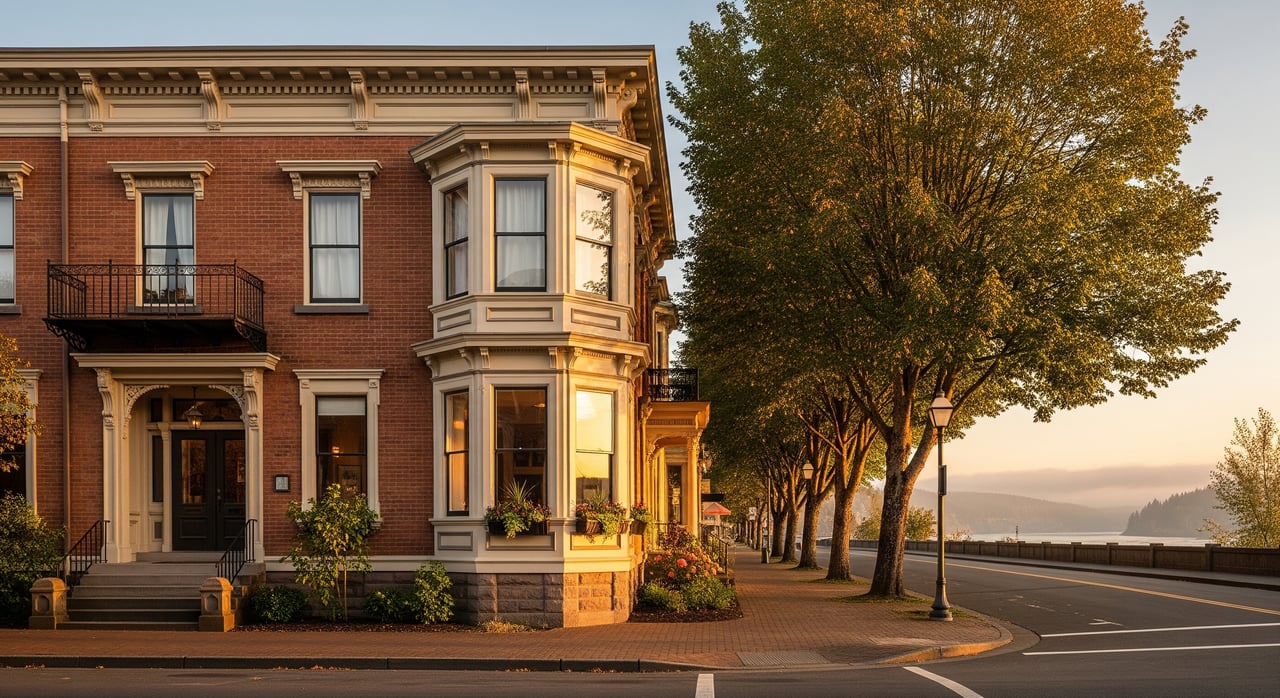
Historic Downtown Snohomish offers a walkable core of late-1800s and early-1900s buildings, independent shops, and local eateries. First Street and nearby blocks form a tight grid that is easy to navigate on foot for coffee, dining, and daily errands. The architecture and preserved storefronts create a village-like feel that many buyers love.
You’ll see a mix of residents, from professionals and creatives to empty nesters who value convenience and charm. The energy picks up on weekends as visitors explore antiques and tasting rooms. If you enjoy a lively main street with a friendly pace, this area fits well.
Homes you’ll find downtown
Historic single-family classics
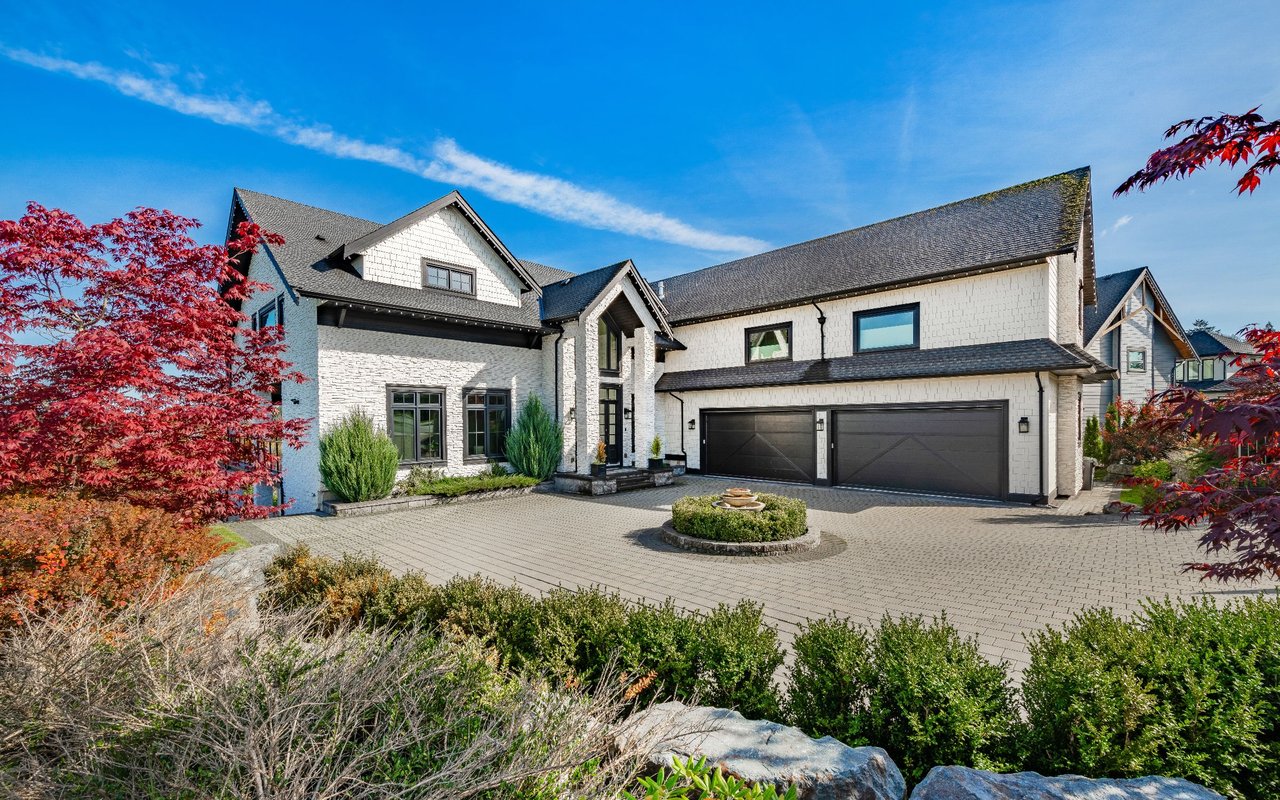
Victorians, Craftsman homes, and early bungalows line the surrounding residential streets. Many sit on smaller lots with front porches and period details. Expect character and history, along with typical maintenance needs that come with older construction.
Infill townhomes and condos
Select blocks include newer townhomes, small condo buildings, and mixed-use projects with homes over retail. These options can offer modern systems and lower maintenance while keeping you close to shops and dining.
Live/work and mixed-use spaces
Some commercial buildings include upstairs apartments or live/work units. If you want a unique floor plan or studio-style living, these spaces bring flexibility. Always confirm zoning, building-code requirements, and any use rules before you commit.
Ownership essentials for historic properties
Older homes can be incredibly rewarding, but they benefit from careful planning. Before you buy, factor in systems upgrades, preservation guidelines, and floodplain due diligence.
- Historic review: Exterior changes and signage in the core may require design review. Start with the City of Snohomish to understand local historic-preservation resources and permitting. You can find city guidance and contacts on the City of Snohomish website.
- Flood risk: Parts of downtown sit near river floodplains. Review FEMA maps and ask for elevation certificates where available. Use the FEMA Flood Map Service Center to check a specific address and consult Washington State Department of Ecology resources for floodplain management information.
- Insurance and financing: If a property lies in a mapped flood zone, lenders may require flood insurance. Get quotes early and compare coverage.
- Zoning and use: If you’re considering a conversion or a live/work setup, confirm allowed uses and permit history with the city before due diligence deadlines.
Inspection checklist for older downtown homes
For peace of mind, plan a thorough inspection process. Consider the following:
- Full home inspection focusing on structure, roof, and foundation
- Sewer and drainage evaluation
- Electrical system review and potential update needs
- Assessment for older-material hazards, including lead paint or asbestos
- Flood-elevation review and insurance consultation
- Review of any historic-designation restrictions and permit history
Walkability, shops, and dining
Downtown Snohomish centers on First Street and nearby blocks, with antiques, boutiques, cafés, wine bars, and restaurants clustered close together. It’s pedestrian-friendly for daily routines like grabbing coffee, picking up gifts, or meeting friends for lunch.
Inside the core, grocery options can be limited. Most residents drive a few minutes for full-service supermarkets and larger retailers. Street parking and small public lots serve downtown, though they can fill on weekends and during special events.
If you want an address-level view of walkability, tools like Walk Score can help you compare specific locations in and around the core.
Riverfront, parks, and trails
River access and views
The Snohomish and nearby river corridors add a scenic backdrop to daily life. You can enjoy riverside strolls, seasonal wildlife viewing, and small-boat or kayak access in select areas. This is a major lifestyle perk and a key reason many people seek out downtown living.
Trails and green space
Snohomish connects to regional multi-use trails and local parks that support walking, running, and cycling. The Centennial Trail is a notable county route that’s accessible from the city. For maps and park information, start with Snohomish County and the City of Snohomish parks and recreation pages.
Noise and weekend energy
Weekends bring more foot traffic as shoppers and day-trippers explore antiques and dining. You’ll feel the buzz during events and peak seasons. On typical evenings, the area winds down earlier than big-city districts, but event nights can run later. If you prefer quiet at all times, look at streets just beyond the busiest blocks.
Commuting and getting around
Most residents rely on personal vehicles for regional travel. Community Transit runs bus routes in Snohomish County with connections to Everett and farther south. For drive times and route updates, check WSDOT before you head out.
Downtown Snohomish does not sit on a commuter rail line. Nearby cities host Amtrak or commuter stations, so plan for a drive or bus connection if rail is part of your routine.
Schools and local services
Public schools are administered by the Snohomish School District. Assignments depend on exact address, and program details are available through the district. For enrollment boundaries and reports, visit the Snohomish School District.
City and county agencies handle police, fire, utilities, and permitting. If you’re evaluating a specific property, confirm water, sewer, and broadband providers during due diligence.
Market signals to watch
Properties in the core often command a premium for location and architectural character. Buyers typically weigh charm and convenience against maintenance, smaller lots, and limited off-street parking. For current neighborhood pricing, inventory, and time-on-market, consult recent comps through a local MLS source or request a custom analysis from a trusted local broker. Historic homes can see strong demand when they are well-presented and move-in ready.
Is downtown Snohomish a fit for you?
Choose Historic Downtown Snohomish if you want a character-rich home within steps of coffee, dining, and riverfront recreation. You’ll trade larger yards and private garages for walkability, charm, and easy access to community events. If you plan ahead for maintenance, understand preservation rules, and confirm flood status early, you can enjoy a low-stress path to a home that fits your lifestyle.
Thinking about selling in the historic core?
If you’re a downtown homeowner, careful preparation and high-impact presentation can help you stand out. Period details, thoughtful staging, and lifestyle-forward marketing can capture the right buyers and drive stronger offers. To discuss a tailored plan for your property, connect with Kathie Salvadalena and request a free seller consultation and home valuation.
FAQs
What types of homes are in Historic Downtown Snohomish?
- You’ll find historic single-family homes, early cottages, live/work spaces, and newer infill townhomes or condos near the core.
How walkable is the core for daily needs?
- The area is pedestrian-friendly for coffee, dining, and errands, while full-service grocery shopping is typically a short drive away.
Are there flood risks near the river in Snohomish?
- Some parcels lie near mapped floodplains; check the FEMA Flood Map Service Center and confirm insurance requirements for any address.
How is parking handled for downtown homes?
- Expect a mix of street parking, small public lots, and older homes with limited off-street or alley access; weekend demand can be higher.
Do historic preservation rules limit remodeling in the core?
- Exterior changes in designated areas may require design review; start with the City of Snohomish for guidelines and permits.
What transit options connect Snohomish to Everett and Seattle?
- Community Transit provides bus service with regional connections; there is no commuter rail station in downtown Snohomish.
What defines the downtown vibe on weekends?
- Antiques browsing, cafés, tasting rooms, and community events bring steady foot traffic and a lively, small-town main street feel.