Should you stage your Snohomish home while you still live there or clear it out and stage it as a blank slate? It is a common question with real dollars and days-on-market on the line. You want a plan that fits your timeline, budget, and the style of your home, whether it is a beloved historic near First Street or a newer suburban property. In this guide, you will learn how occupied and vacant staging compare, what buyers respond to, and how to choose the right approach for your sale. Let’s dive in.
Occupied vs vacant staging basics
Occupied staging means you live in the home while it is prepared and shown. A stager advises you on what to keep, what to edit, and how to arrange it. You may add a few rented accessories or small furniture pieces to complete the look.
Vacant staging means the home is empty and a stager brings in furniture and decor to furnish key rooms. This approach creates strong photos and helps buyers understand scale and flow during showings.
Both strategies work. Your best choice depends on your home’s condition, your timeline, and how your target buyers shop and compare homes in Snohomish.
Cost and timeline at a glance
Local pricing varies by vendor and home size, but these are typical industry ranges:
- Staging consultation for occupied homes: roughly $150 to $600 for a single visit and plan.
- Occupied staging with accessory rentals: often $200 to $1,500 total, or $100 to $300 per month for small rentals.
- Vacant staging with furniture rental and install: often $1,500 to $4,000 for smaller or partial installs, and $2,500 to $10,000+ for larger homes, plus monthly rental.
- Virtual staging of listing photos: about $30 to $150 per image. Helpful online, but it does not solve in-person presentation.
Typical timelines:
- Occupied consult to photo-ready: 1 to 14 days, based on how quickly you can edit, clean, and complete small fixes.
- Vacant staging install: plan 2 to 7 days including logistics, delivery, install, and photography.
- De-staging after contract: usually 24 to 72 hours, coordinated with closing timing.
Pros and cons you should weigh
Occupied staging
- Pros: Lower cost, quicker to execute, you can stay in the home, and the space feels warm.
- Cons: Personal items and scale issues can linger, and the photo impact is usually less dramatic than a full vacant install.
Vacant staging
- Pros: Big visual impact online, clear room function, and a finished, welcoming feel during showings.
- Cons: Higher cost and more coordination for delivery and pickup. Empty and unstaged often photographs poorly, which can limit interest.
How staging shapes buyer psychology
Staging does not change your home’s structure. It changes how buyers see and feel the home, which can affect the speed and strength of offers.
- First impressions: Photos drive clicks and showings. Strong visuals set expectations before a buyer steps inside.
- Visualization: Furniture and lighting help buyers understand scale, traffic flow, and how rooms function.
- Emotional connection: A clean, calm, stylish setting makes it easier to imagine daily life there.
- Reduced perceived risk: A well-prepared home signals care and lowers the fear of hidden costs.
Prioritize what buyers notice most: main living areas, kitchen, primary bedroom, a simple home office, and curb appeal.
Historic Downtown Snohomish homes
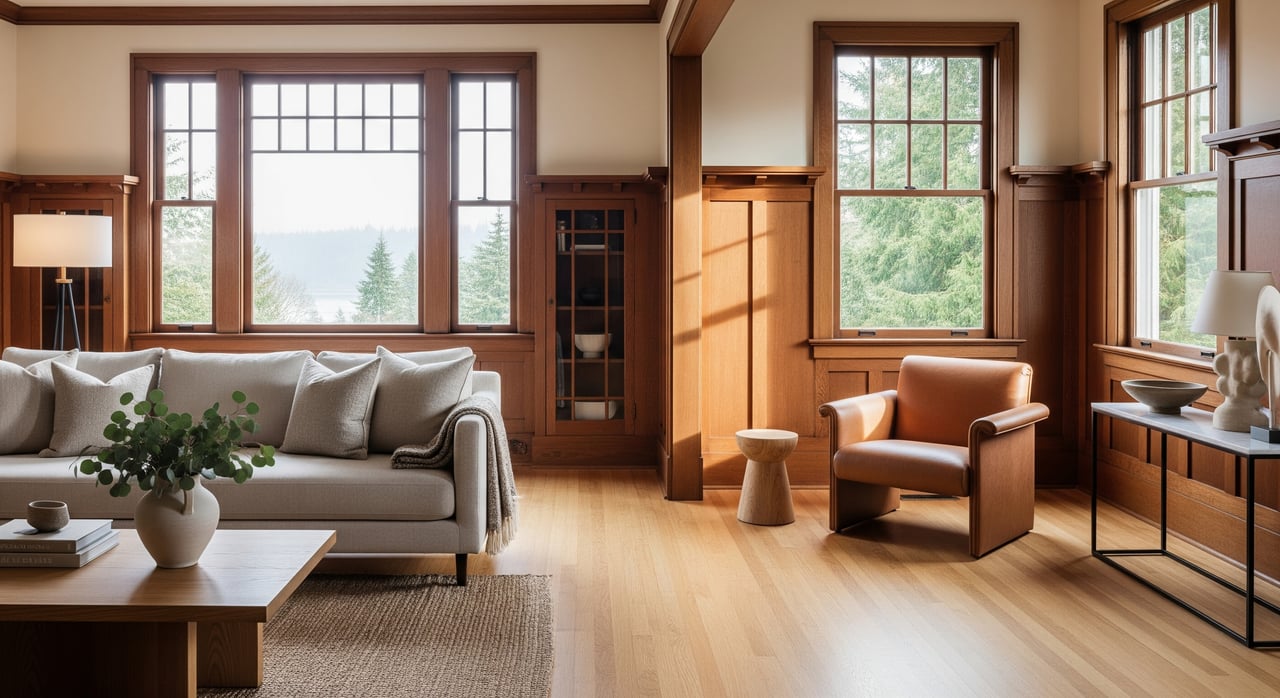
Historic homes are special and deserve staging that respects their character. Rooms may be cozy, with distinct millwork and unique built-ins. Your goal is to highlight those features and keep the spaces airy and authentic.
When occupied staging makes sense
- You have period-appropriate or neutral furniture in good condition.
- A stager can simplify and scale the rooms, preserving sightlines to fireplaces, built-ins, and trim.
- Light accessory rentals, art, and lamps can add polish without overwhelming the character.
When vacant staging shines
- The home is empty or feels cold without furniture.
- Selective staging of the living room, dining room, and primary bedroom will show scale and function, even if you do not stage every room.
- Porch and curb accents convey charm and set the tone from the street.
Sample 8-day timeline
- Day 0: Staging consult and measurements.
- Days 1–5: Declutter, complete small fixes, and coordinate rental accessories or furniture.
- Days 6–8: Install and schedule pro photos on the best weather day for exteriors.
Newer suburban Snohomish properties
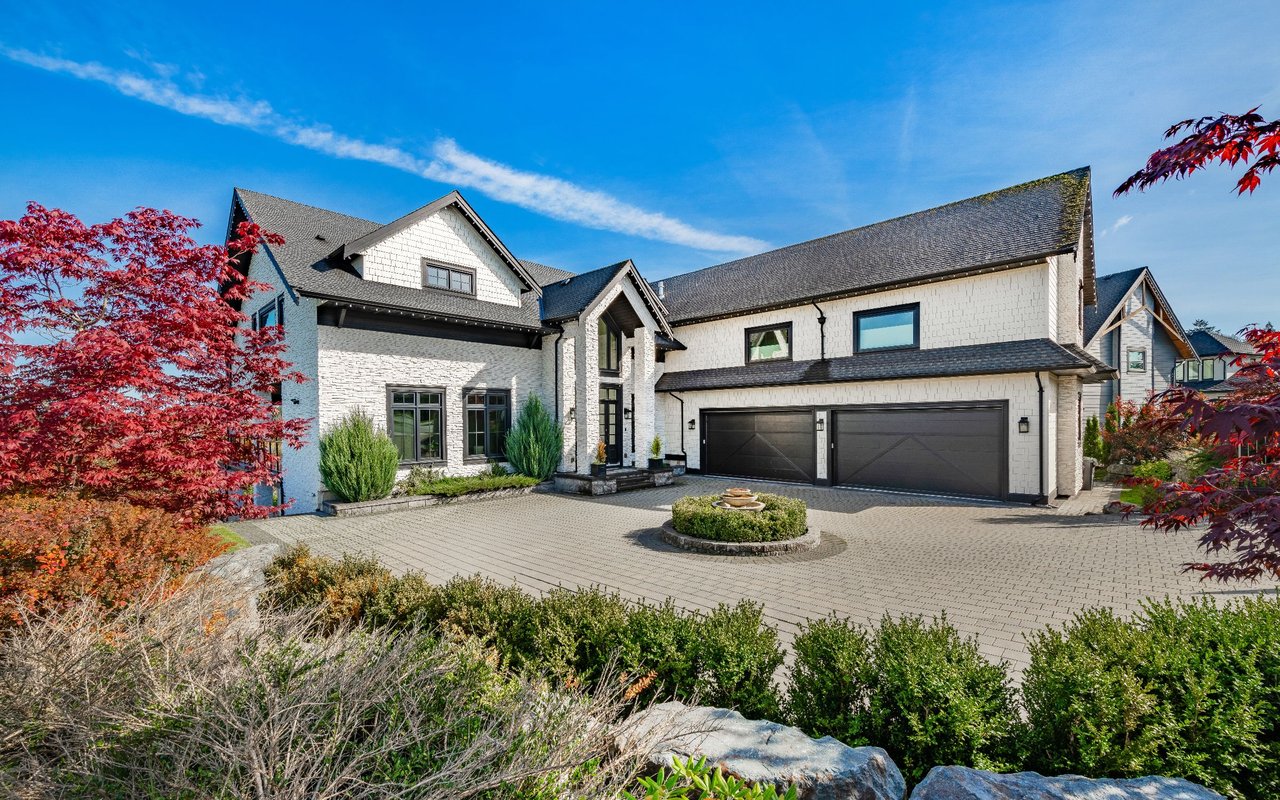
Newer homes often feature open plans, larger rooms, and flexible spaces. Staging should define zones so buyers see how living, dining, and work areas flow.
Occupied strategy
- Keep a neutral palette and remove extra pieces to show space.
- Use area rugs and art to define open-plan zones.
- Stage a simple home office or flex space to meet buyer expectations.
Vacant strategy
- Full-room staging helps buyers read scale in larger great rooms and primary suites.
- Add outdoor seating to show entertaining potential.
- Keep the garage and storage areas tidy, since storage is a priority in suburban layouts.
Sample 5-day timeline
- Day 0: Consult and measurements.
- Days 2–4: Owner prep or accessory delivery.
- Day 5: Install and professional photo shoot, with open house weekend to follow.
What to stage first
If you have to prioritize, focus on spaces that drive decisions:
- Living room or great room with clear furniture groupings.
- Kitchen with clean counters and simple styling.
- Primary bedroom with neutral bedding and balanced lighting.
- A simple, uncluttered home office setup.
- Front porch and entry with fresh doormat, potted plants, and a tidy approach.
Occupied vs vacant: quick decision guide
Choose occupied staging if:
- You are on a tighter budget.
- Your furnishings are neutral and scaled well for the rooms.
- You need fast prep while you continue living in the home.
Choose vacant staging if:
- The property is empty, or photos of empty rooms will fall flat.
- Rooms are large or irregular and buyers need help visualizing the layout.
- The price band is competitive and strong online presentation is critical.
Virtual staging is a supplemental tool for photos, not a substitute for in-person presentation. Confirm any MLS photo rules before using it.
Implementation checklist for sellers
Use this simple checklist to get photo-ready fast:
- Complete minor repairs, replace bulbs, and fix squeaks or drips.
- Deep clean, including windows, carpets, baseboards, and vents.
- Declutter and depersonalize by removing extras and storing personal photos.
- Edit furniture to fit scale, then layer lighting with lamps and clean window lines.
- Style kitchens and baths with minimal, fresh accents.
- Schedule professional photography after staging and plan for a clear weather day.
- Keep a daily tidy plan if you remain in the home during showings.
Questions to ask staging vendors
- Can you share a local portfolio and references from Snohomish-area homes?
- Do you have inventory that suits historic character or a modern suburban style?
- What is the full fee breakdown, including install, pickup, monthly rental, delivery, and insurance?
- What is the installation timeline and what access or parking do you need on site?
- How long is the contract and how do you handle prorated months if the home sells quickly?
- What are your cancellation and damage policies?
- Can you provide proof of business insurance?
Seasonal and logistical tips for Snohomish
- Plan exteriors around Puget Sound weather. Spring and summer often offer the best light and greenery.
- If your home is in a historic district, check city planning or preservation guidelines before any exterior changes, paint, or signage.
- In historic downtown, confirm truck access and parking for install teams. Narrow alleys and busy streets may require more lead time.
Next steps and how we help
Staging is most effective when it is part of a clear listing plan. You deserve a partner who understands Snohomish buyers, the nuance of historic character, and the polished marketing today’s shoppers expect. As a veteran listing specialist and Accredited Staging Professional, I pair staging-led preparation with professional photography and lifestyle marketing so your home shows its best and attracts strong offers.
If you are weighing occupied vs vacant staging for your Snohomish sale, let’s talk through your timeline, budget, and the unique features of your home. Reach out to Kathie Salvadalena to schedule your free seller consultation and home valuation.
FAQs
What is the difference between occupied and vacant staging for a Snohomish listing?
- Occupied staging uses your existing furniture with strategic edits and small rentals, while vacant staging fully furnishes empty rooms to maximize photo impact and help buyers visualize space.
How much does home staging cost in Snohomish?
- Typical industry ranges are about $150 to $600 for a consult, $200 to $1,500 for occupied accessory staging, and $1,500 to $10,000+ for vacant installs, with monthly rental fees varying by home size and vendor.
Is virtual staging a good idea for Snohomish homes?
- Virtual staging can improve online photos at a lower cost, but it does not help in-person showings, so confirm MLS rules and consider pairing it with physical staging for key rooms.
How long does staging take before listing photos?
- Occupied staging is often photo-ready within 1 to 14 days depending on your prep speed, while vacant staging installs commonly take 2 to 7 days including delivery and scheduling.
Which rooms should I stage first to maximize impact?
- Prioritize the living room or great room, kitchen, primary bedroom, and a simple home office, along with curb and entry appeal for a strong first impression.