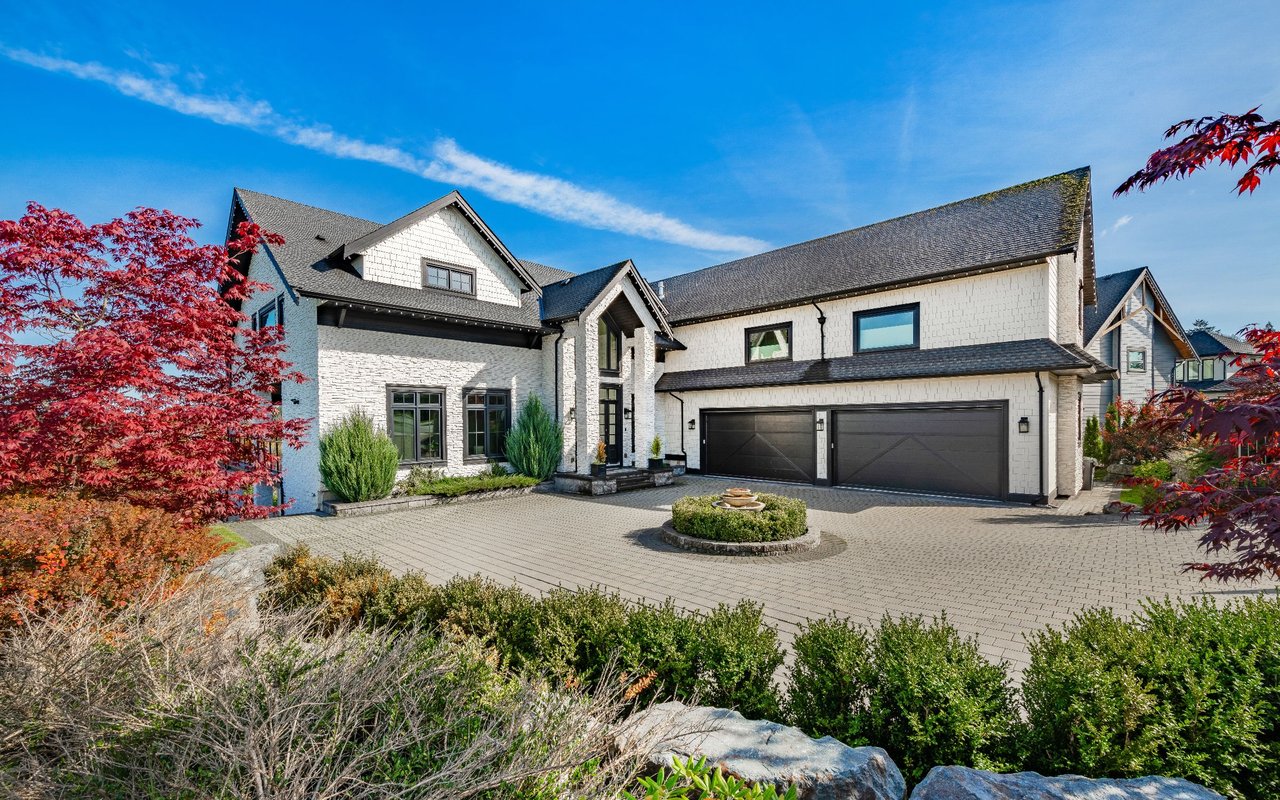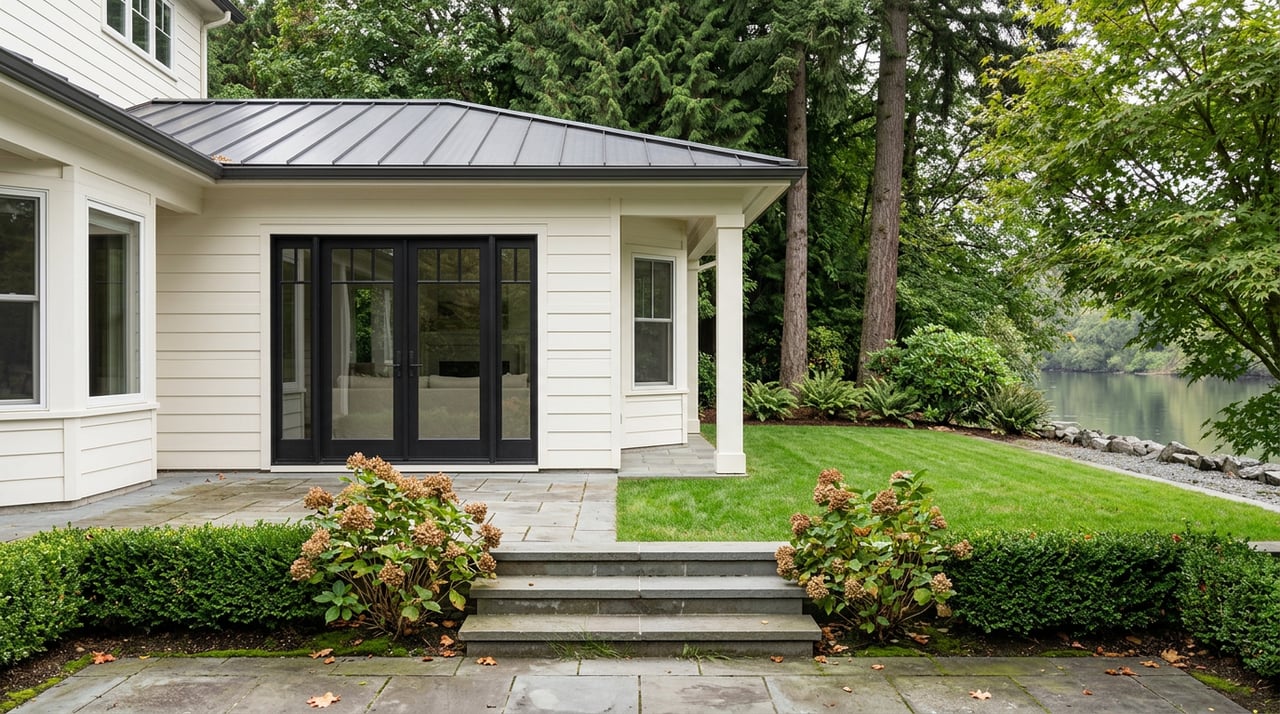
Picture your morning coffee with mist lifting off the Snohomish River, eagles circling, and a short walk to a quaint downtown for lunch. If you are drawn to river views or bluff‑top outlooks, you are not alone. Buyers love the small‑town feel, easy access to trails and launches, and the calm that comes with water and valley vistas. This guide gives you the lifestyle highlights and the practical steps that matter before you buy or list a riverfront or view home in Snohomish. Let’s dive in.
Why Snohomish riverfront and view homes appeal
Snohomish sits in a broad valley where the Snohomish, Skykomish, and Snoqualmie systems come together. You can stroll the compact historic core, then step onto the Riverfront Trail for a relaxed loop with water and mountain backdrops. If you want a preview of the vibe, explore the short Snohomish Riverfront Trail overview.
From low‑lying river parcels with hand‑launch access to bluff homes with big‑sky views of the Cascades, you have a range of settings to choose from. Many buyers picture kayaks by the door, evening walks, and windows that frame the valley’s changing seasons. Sellers can lean into that lifestyle with thoughtful staging and photography that showcase light, view lines, and outdoor living.
Where these homes are
The lower Snohomish River corridor includes floodplain flats closest to the channel and higher bluffs and ridgelines that look over the valley. The City of Snohomish maps shoreline areas through its Shoreline Master Program, which translates state policy to parcel‑level rules. If you are evaluating a specific address, the SMP maps and designations help you understand buffers and what work may require permits.
Higher sites often trade direct water access for wider views, sunsets, and less flood exposure. Lower sites are close to launches and the water’s edge, which adds recreation potential along with more permitting and insurance considerations. Knowing where a parcel sits within this valley profile is step one.
Daily life and recreation
River life here is relaxed and low‑key. You can hand‑launch a kayak or canoe at public access sites and drift along quiet reaches, or cast for fish from the bank when conditions allow. Before you plan regular boating, check the city’s boat launch details for ramp type and access.
On weekends, a short walk connects you to parks and the shops and restaurants of historic downtown. Many riverfront buyers value the ability to leave the car at home and enjoy a simple, scenic routine. Sellers can spotlight those walkable amenities to help buyers connect with the home’s lifestyle.
Key trade‑offs at a glance
- Floodplain exposure and insurance requirements can affect cost and financing.
- Shoreline changes, like docks or bank work, often need permits and seasonal timing.
- Vegetation and bank alterations are limited, and mitigation is common.
- Some parcels use septic rather than sewer, which requires inspections and upkeep.
- Ongoing maintenance can include erosion control, dock or ramp upkeep, and shoreline planting.
Flood risk and insurance
Start with maps. Look up the FEMA Flood Insurance Rate Map for the property using the FEMA Flood Map Service Center, then cross‑check local designations on the county’s DFIRM floodplain maps. If a parcel shows in the Special Flood Hazard Area, lenders often require flood insurance for federally backed loans, and local floodplain rules apply.
Pricing is now set through FEMA’s Risk Rating 2.0, which looks at elevation, distance to water, and building characteristics rather than only the map zone. Get an address‑specific quote early through your insurer and compare options under Risk Rating 2.0. If the map looks close or unclear, an Elevation Certificate and the FEMA Letter of Map Change process can clarify or adjust a property’s mapping; explore the LOMA/LOMR guidance and talk with a licensed surveyor.
Snohomish County participates in FEMA’s Community Rating System, which can reduce some NFIP premiums within the county. Check the county’s CRS information to see whether your parcel qualifies for any discount.
Shoreline permits and docks
Many shoreline activities require review. The City of Snohomish’s Shoreline Master Program explains buffers, mitigation, and when a Shoreline Substantial Development Permit is needed. New docks, moorage, or bank work can also trigger state approvals through the Washington Department of Fish and Wildlife’s Hydraulic Project Approval program.
Expect seasonal work windows and habitat protections that shape construction timing. Rules typically favor “soft” stabilization, such as planting and engineered logs, over new hard bulkheads. If a private dock is part of your vision, plan for multiple authorizations and build that schedule into your purchase or listing timeline.
Septic, utilities, and upkeep
If a property is not on municipal sewer, plan for a septic inspection and file review. The Snohomish Health District’s septic FAQs are a good place to start. Ask your inspector to locate the drain field and note its elevation relative to known high‑water marks, since shallow groundwater after floods can stress older systems.
Riverfront ownership can also involve routine shoreline planting, erosion monitoring, and maintenance of ramps or floats. Budget for this work and keep permits and mitigation records organized. Buyers appreciate well‑documented upkeep when comparing properties.
Due diligence checklists
For buyers
- Verify the FEMA panel and county DFIRM for the parcel. Download a FIRMette from the FEMA map center and save it to your file.
- Ask the seller for any Elevation Certificate, NFIP claim history, and Letters of Map Change. If none exist and mapping looks close, get a quote from a licensed surveyor for an Elevation Certificate and review LOMA/LOMR steps.
- Request copies of shoreline permits, any HPAs, and recorded easements. Confirm whether docks or ramps are permitted and in compliance.
- Order a septic inspection if applicable and review local health district files, starting with the septic FAQs. Ask about drain field elevation and groundwater.
- Get a property‑specific flood insurance quote under Risk Rating 2.0 and compare NFIP and private options.
- If you plan shoreline changes, talk early with city planning staff and WDFW about HPA requirements using the HPA program overview.
For sellers
- Complete Washington’s seller disclosure (Form 17) and disclose known flood, drainage, shoreline work, septic, and easement details.
- Gather Elevation Certificates, any LOMAs/LOMRs, shoreline or HPA permits, and flood claim records. Organized files build buyer confidence.
- If you have completed bank stabilization, dock repairs, or shoreline planting, assemble permits and mitigation documents.
- If your home’s lifestyle is its strength, prepare it with staging and photography that capture view lines, outdoor seating, and walkable amenities. Thoughtful presentation helps buyers feel the setting.
Timelines to expect
Permitting and mapping timelines vary by project. Many standard HPAs are processed in a few weeks once complete, while a Shoreline Substantial Development Permit and any required environmental review can take several months. LOMA or LOMR reviews and Elevation Certificates are often measured in weeks to a few months depending on surveyor availability and FEMA processing. Build these windows into your offer, inspection, or listing plan.
Value and market perception
Water and view amenities often support higher buyer interest and, in many markets, price premiums. The size of any premium depends on view quality, access, nearby amenities, and the offset of insurance, permitting, and maintenance costs. Your best read on value is a hyper‑local analysis of recent sales that share setting, outlook, and regulatory context. For sellers, crisp staging, strong photography, and clear documentation can showcase lifestyle while reducing uncertainty that can slow decisions.
Local resources and next steps
- FEMA mapping and insurance: FEMA Flood Map Service Center; Risk Rating 2.0; LOMA/LOMR guidance.
- Local flood hazard and discounts: Snohomish County DFIRM maps; Community Rating System page.
- Shoreline and in‑water work: City of Snohomish Shoreline Master Program; WDFW Hydraulic Project Approval program.
- Health and utilities: Snohomish Health District septic information.
Ready to position your riverfront or view home for a standout sale in Snohomish? With staging‑led presentation, lifestyle‑driven marketing, and meticulous documentation, you can help buyers see the beauty while feeling confident about the details. For tailored guidance and a high‑touch plan that fits your timeline, connect with Kathie Salvadalena.
FAQs
Flood insurance for Snohomish riverfront homes: Do I need it?
- If your structure is in a FEMA Special Flood Hazard Area and you have a federally backed loan, your lender will typically require flood insurance; get an address‑specific quote under Risk Rating 2.0.
How do I check if a Snohomish property is in a flood zone?
- Look up the address on the FEMA Flood Map Service Center, then confirm local details on Snohomish County’s DFIRM viewer for a full picture.
Can I add a dock or shore protection on the Snohomish River?
- Possibly, but docks and bank work are regulated; review the City’s Shoreline Master Program and contact WDFW about Hydraulic Project Approval and seasonal work windows.
Are septic systems common near the river, and what should I check?
- Some parcels are on septic; order a septic inspection, review health district files, and confirm the drain field’s elevation relative to high water.
Do water views always increase a home’s value in Snohomish?
- Many markets see premiums for water views, but the size varies with view quality, access, and ownership costs; a local comparative analysis is the best indicator.