Trading long freeway lines for river views and tree‑lined streets sounds good until you start asking real questions about commute time, neighborhoods, and what homes actually look like here. If you are weighing a move to Snohomish, you want clear, local guidance without the guesswork. In this guide, you will get practical commute ranges, a tour of core neighborhoods and home styles, a plain‑English market snapshot, and step‑by‑step tips for buying or selling during a relocation. Let’s dive in.
Snohomish at a glance
Snohomish is a small riverfront city of roughly 10,000 residents with about 4,000 to 4,500 homes, set immediately southeast of Everett and within the Seattle–Bellevue–Everett metro area. The historic downtown core hugs the river and anchors local shopping and dining. You are about 25 to 35 miles from downtown Seattle depending on your exact starting point. For civic context and city planning snapshots, review the city’s housing and planning pages on the City of Snohomish site.
Commutes: routes, ranges, and tips
Main corridors you will use
Two roads define most Snohomish commutes. State Route 9 is the north‑south spine along the city’s edge, and US‑2 connects west toward Everett and I‑5. SR‑9 moves a lot of regional traffic, and US‑2 includes the westbound trestle into Everett, a frequent pinch point. For background on SR‑9’s role and improvements, see the corridor overview on Washington State Route 9. WSDOT is also studying upgrades to the US‑2 westbound trestle, which affects travel reliability into Everett. You can track the project at the US‑2 westbound trestle study.
What to expect for drive times:
- Snohomish to Downtown Seattle: about 30 miles. Budget roughly 35 to 75 minutes, with the high end common at peak hours.
- Snohomish to Bellevue and the Eastside: about 35 to 40 miles by road. Plan on about 45 to 90 minutes at peak.
- Snohomish to Everett: about 8 to 15 miles depending on your starting point. Off‑peak is often 15 to 25 minutes, with variability at peak.
The ranges are wide by design. Weather, construction, incidents, and the US‑2 and I‑5 bottlenecks can add time. If your work hours are flexible, you will notice the difference.
Park‑and‑ride and light rail connections
Many residents pair a short drive with transit. Community Transit operates park‑and‑ride lots and commuter routes across Snohomish County, including connections to Lynnwood’s transit hubs and beyond. A common pattern is to drive to a park‑and‑ride, then connect to Link light rail at Lynnwood for a one‑seat ride into Seattle. Check current options at Community Transit’s park‑and‑ride page.
Lynnwood Link opened in 2024 and prompted a bus network restructure that shifted some commuter routes to feed Link stations rather than going all the way to downtown Seattle. Expect more changes as the region adds lines and adjusts schedules. For background on Lynnwood Link’s role in the network, see the Lynnwood Link extension and broader Link light rail system pages.
Pro tip: If you plan to commute to the Eastside, compare both the I‑405 corridor and Lynnwood Link to bus transfers. Your best route may change as schedules evolve.
Neighborhoods and home styles
Historic Downtown and Riverfront
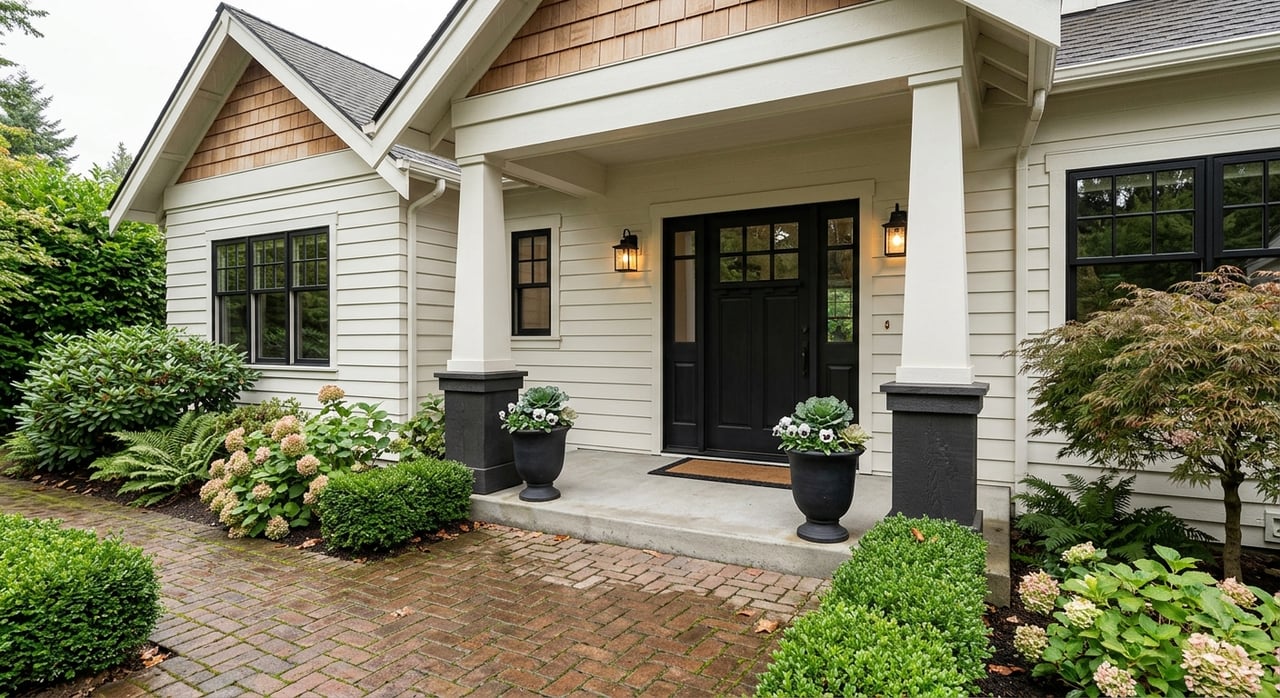
If you want walkable character and classic architecture, start here. The downtown historic district, listed on the National Register of Historic Places, features preserved late‑19th and early‑20th‑century buildings, plus nearby streets with restored Victorians, Craftsman bungalows, and period cottages. Renovated historic homes often command a premium due to location, design details, and proximity to Main Street amenities. Learn more about the district’s heritage through the National Park Service nomination file.
Typical homes: restored Victorians, Craftsman bungalows, small‑lot ranches, and select infill townhomes. Expect smaller yards and big personality.
Who this fits: Buyers who prize architecture, walkability, and an active Main Street lifestyle.
Dutch Hill and Fobes Hill
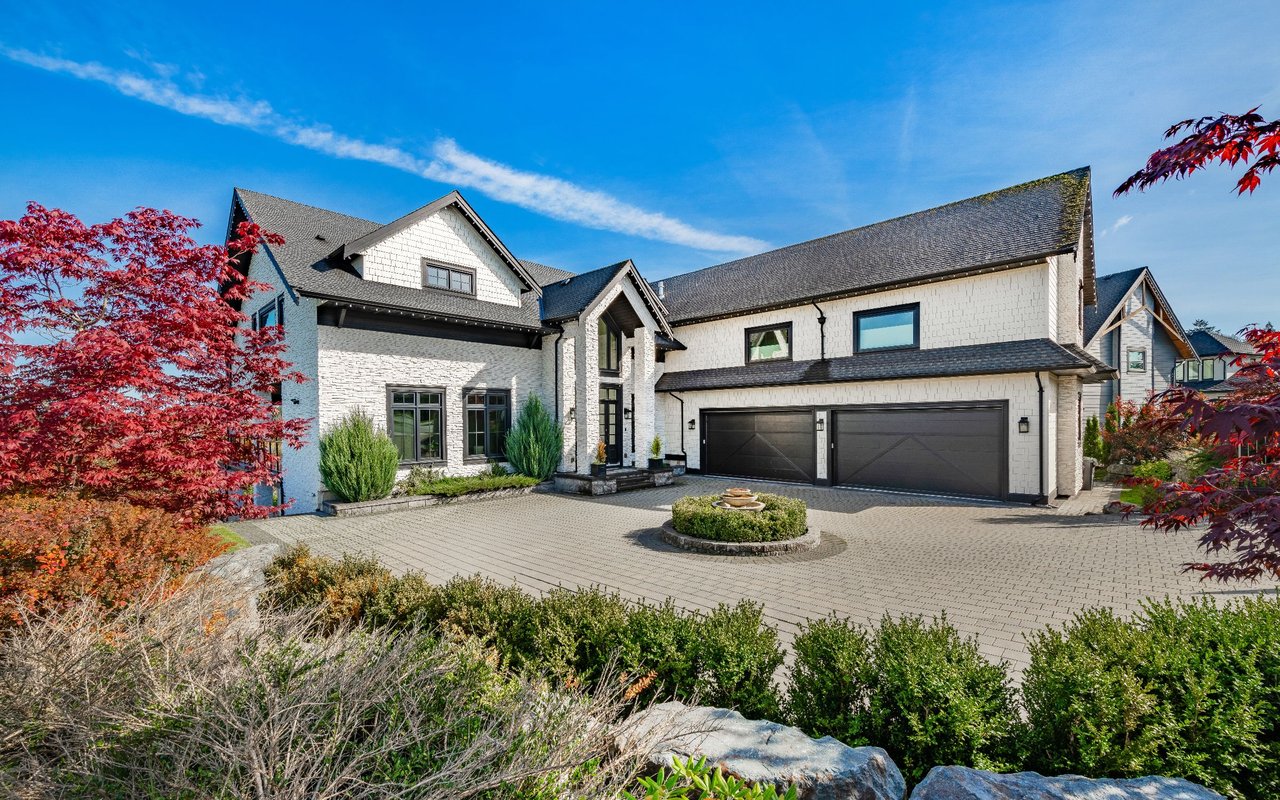
Set on elevated ground with valley and mountain outlooks in places, Dutch Hill and Fobes Hill offer larger lots and privacy. Many homes are newer or custom, with higher‑end finishes and space for hobby outbuildings. These areas tend to sit in the city’s higher price tiers, reflecting lot size, views, and finish levels.
Typical homes: mid‑to‑large single‑family residences, view properties, custom builds.
Who this fits: Buyers who want space, outdoor living, and a quiet setting. You trade a few more minutes to regional freeways for elbow room and views.
Blackmans Lake, Machias, and Pinehurst
These pockets blend lake access, green space, and planned subdivisions. You will find a mix of ranches, split‑levels, and modern tract‑built homes, plus newer infill on select streets. Many homes in these areas track near or slightly above broader city medians depending on condition and lot size.
Typical homes: classic Northwest ranch and split‑level plans, contemporary two‑story layouts, and some newer infill.
Who this fits: Buyers seeking a yard and proximity to parks and everyday services.
Rural parcels and equestrian‑style properties
Outside the core, larger parcels exist for buyers who want acreage, shops, room for hobby animals, or just more privacy. Lord Hill Regional Park sits nearby with miles of hiking, biking, and equestrian trails. Preview the trail network and scenery with this Lord Hill Regional Park write‑up.
Typical homes: ramblers and two‑story homes on acreage, outbuildings, and flexible outdoor space.
Who this fits: Buyers prioritizing land, workshops, or recreation access over a short urban commute.
Market snapshot in plain English
At the county level, the Northwest MLS has reported Snohomish County median sale prices in the roughly 720,000 to 775,000 range through 2025, with rising active inventory into late 2025. That shift gave buyers a bit more leverage than in the 2020 to 2022 peak, although well‑located historic and riverfront homes still move quickly when well presented. You can review the county context in the NWMLS Market Snapshot.
What this means for you:
- If you are buying, you may have more choice than a year or two ago. Be decisive on the best listings, especially downtown historic and riverfront homes.
- If you are selling, presentation and pricing strategy remain critical. Historic details, views, and proximity to parks or Main Street deserve thoughtful staging and storytelling.
Everyday life: schools, parks, and services
Schools
The Snohomish School District serves the city and nearby neighborhoods. Common feeders for addresses near downtown include Cascade View, Central Emerson, Dutch Hill, and Machias elementary schools, with secondary pathways to Centennial Middle and Snohomish High. Always verify attendance boundaries for a specific property, since zones can change with growth. Find contact info and school listings on the district’s Our Schools page.
Parks and outdoor access
Snohomish leans outdoors. The riverfront offers walking and paddling options, and the regional trail network links to the Centennial Trail beyond city limits. Lord Hill Regional Park provides hiking, biking, and equestrian trails across rolling uplands. Explore photos and trail descriptions in the Lord Hill overview.
Health care and emergency access
Many residents use Providence Regional Medical Center in Everett for hospital services. It is the county’s main referral center and a short drive from most Snohomish addresses depending on traffic. Browse hospital details at Providence Regional Medical Center Everett.
Practical tips for relocating buyers and sellers
If you need to sell first, then buy in Snohomish
Coordinating two moves takes planning. Use this checklist to reduce stress:
- Map your timing. With many homes taking several weeks to sell, plan a 60 to 90 day window from list to close. Build in a buffer for finding your Snohomish home.
- Structure for flexibility. Consider a rent‑back to stay in your home briefly after closing. It can give you time to secure and close on your Snohomish purchase.
- Get your financing options ready. If your equity is tied up, explore bridge financing with your lender so you can write offers confidently.
If you plan to buy first, then sell
You will benefit from increased inventory across 2025 and into early 2026, especially in some price bands. Still, top listings move. Keep your search efficient:
- Complete pre‑approval and set clear non‑negotiables. Define commute tolerance, lot size, and must‑have features before touring.
- Use a locally tuned offer strategy. Historic and riverfront homes reward decisive, clean offers when priced right.
- Time your sale prep early. If you plan to sell soon after you buy, schedule staging and photography in advance so you can go to market fast.
Due diligence: flood, wildfire, and inspections
Snohomish includes riverfront and upland parcels. That variety means different property considerations:
- Flood awareness. Low‑lying and riverside lots can carry flood risk. Order a flood‑elevation certificate when appropriate and check insurance requirements before removing contingencies.
- Wildfire exposure. Upland parcels near wildland edges can carry moderate wildfire exposure. Ask your inspector about defensible space and review your insurer’s guidance.
- Historic home checks. Older homes deserve extra attention to systems and structure. Budget for a thorough inspection that includes roof, foundation, electrical, plumbing, and HVAC.
How we help you make a confident move
Moving to or from Snohomish is both a lifestyle choice and a financial decision. If you are selling, great presentation makes a measurable difference. As an Accredited Staging Professional and managing broker, I combine curated staging, professional photography, and neighborhood‑driven marketing to position your home for a higher sale price and a smoother close. If you are buying, you get honest guidance on commute trade‑offs, neighborhood fit, and offer strategy tailored to this market.
If you are ready to talk next steps, reach out to Kathie Salvadalena for a friendly, no‑pressure consultation.
FAQs
How long is the commute from Snohomish to Seattle in rush hour?
- Plan for about 35 to 75 minutes depending on departure time, with added variability from US‑2 and I‑5 bottlenecks.
What are the main Snohomish commute routes I will use?
- Most drivers use State Route 9 for north‑south travel and US‑2 west toward Everett to reach I‑5 and regional job centers.
Which Snohomish neighborhoods offer historic homes and walkability?
- The Historic Downtown and riverfront area features preserved Victorians, Craftsman bungalows, and period cottages in a walkable Main Street setting.
Where can I find larger lots or view homes near Snohomish?
- Dutch Hill and Fobes Hill often offer bigger parcels, privacy, and outlooks, with many newer or custom homes.
What everyday services and parks are close to Snohomish neighborhoods?
- Residents enjoy riverfront paths and regional trails, plus nearby Lord Hill Regional Park for hiking, biking, and equestrian access.
Which hospital serves Snohomish residents for full‑service care?
- Providence Regional Medical Center in Everett is the nearest full‑service hospital for most Snohomish addresses.