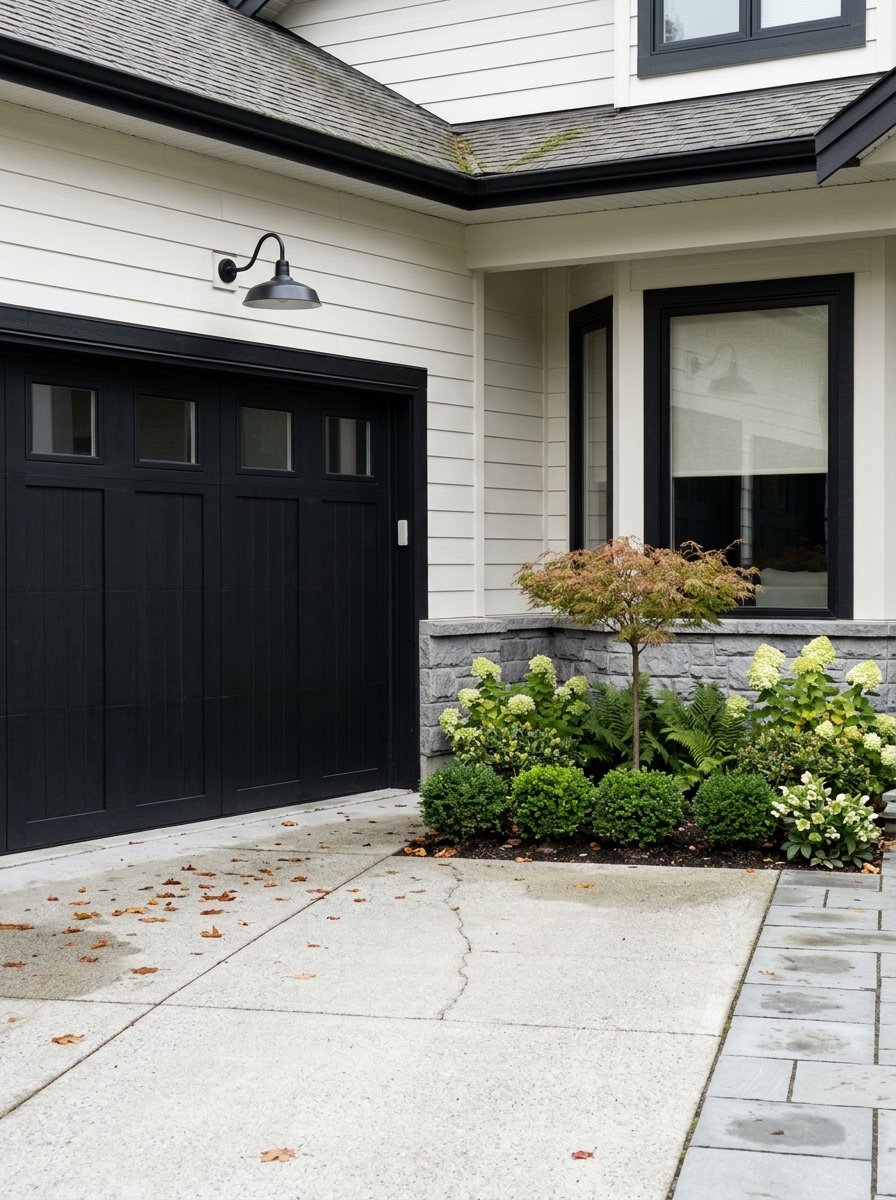
Trying to decide whether to update your home or sell it as-is in Snohomish? You are not alone. Many sellers want to maximize price without sinking time and money into the wrong projects, especially now that buyers have more options and are paying closer attention to condition. The good news is that you do not need to guess. With the right strategy, you can focus on the work that matters, skip what does not, and list with confidence. Let’s dive in.
Snohomish Market Conditions Matter
Your decision should start with the local market, not just your to-do list. In February 2026, Snohomish homes sold for a median price of $715,000, up 12.6% year over year, and Redfin classifies the market as very competitive. At the same time, homes averaged 56 days on market and received about 2 offers, according to Redfin’s Snohomish housing market data.
That does not mean every home will sell quickly, no matter its condition. NWMLS March 2026 Snohomish County data shows active listings were up 49.1% year over year, with 1.98 months of inventory. NWMLS notes that a balanced market is usually 4 to 6 months, so sellers still have leverage, but buyers have more choices than they did a year ago.
That shift matters. If your home shows well, looks cared for, and avoids obvious red flags, it may stand out more. That is especially important because the NAR 2025 Remodeling Impact Report says 46% of buyers are less willing to compromise on condition.
What Selling As-Is Really Means
Selling as-is does not mean you can avoid being upfront about the property. It mainly means you are offering the home in its current condition and do not plan to make repairs, even if a buyer orders an inspection. The NAR consumer guide to home inspections explains that buyers can still inspect an as-is home, and the sale still carries risk for both sides.
In Washington, sellers of improved residential property generally must provide a completed disclosure statement based on their actual knowledge. Under RCW 64.06.020, that form is for disclosure only. It is not a warranty, but it is still required in most cases.
For Snohomish sellers, that disclosure can touch on issues that often come up in local homes, such as:
- Water source or private wells
- Water system problems
- Sewer or on-site sewage systems
- Roof leaks
- Basement flooding
- Settling or sliding
- Flooding or drainage problems
- Additions, remodels, permits, and final inspections
If you learn new information after filling out the form, Washington law generally requires you to amend the disclosure before closing unless corrective action restores accuracy at least three business days before closing. You can review that requirement in the combined Washington disclosure statutes.
The bottom line is simple: as-is is not a shortcut around disclosure, condition, or permit questions. It mainly shifts repair responsibility and changes how buyers evaluate price and negotiation.
When Updating Makes Sense
If your home is in overall solid shape, a few strategic improvements may help you protect value and attract stronger offers. This is often true when your home will compete against cleaner or more updated listings, or when visible wear is likely to show up in photos and buyer walkthroughs.
Not every update is equal. The 2025 Cost vs. Value report for the Pacific region shows that smaller, visible projects tend to deliver the strongest resale returns. High-performing examples include garage door replacement, steel entry door replacement, fiber-cement siding, minor kitchen remodels, and deck additions.
By contrast, major remodels often return much less. The same report shows a major kitchen remodel recoups 57.2%, while an upscale primary suite addition recoups just 18.6% in the Pacific region. These are regional averages, not guarantees, but they offer strong direction for sellers in Snohomish.
A smart pre-listing update plan often includes:
- Fresh interior paint
- Basic exterior touch-ups
- Repairing roof-related concerns if practical
- Minor kitchen or bathroom improvements
- Replacing worn or dated entry features
- Addressing visible deferred maintenance
According to the NAR 2025 Remodeling Impact Report, real estate professionals most often recommend painting, selective room refreshes, and roofing work before listing. Those are practical, market-friendly updates that can help buyers feel more confident.
When Selling As-Is May Be Smarter
Sometimes the best move is not to renovate. If your home needs major work, the cost, timeline, and stress may outweigh the likely return.
Selling as-is may make more sense if your home has larger issues involving the roof, HVAC, foundation, water systems, septic, drainage, or other high-cost items. It can also be the right choice if you need to move quickly, do not want to manage contractors, or do not have the budget for improvements.
This is especially true because large projects do not always pay you back at resale. If the home would need a major overhaul to match newer listings, it may be better to disclose clearly, price appropriately, and let the next owner take on the bigger vision.
The Best Middle Ground for Many Snohomish Sellers
For many homeowners, the best answer is neither a full renovation nor a pure as-is approach. It is a focused middle path.
That usually means fixing safety or inspection red flags, handling modest visible repairs, improving presentation, gathering records for permits and maintenance, and pricing the home honestly for any remaining condition issues. This approach lines up well with current market conditions, Washington disclosure rules, and the resale data on smaller updates.
A balanced prep plan may look like this:
- Fix active leaks or clear repair issues
- Replace broken fixtures or damaged trim
- Clean thoroughly, inside and out
- Declutter and simplify each room
- Refresh paint where needed
- Improve curb appeal at the front entrance
- Organize records for repairs, permits, and servicing
- Price for remaining condition instead of over-improving
For sellers in Snohomish, this is often where the best value lives. You address what buyers are likely to notice, reduce avoidable negotiation points, and avoid overspending on projects with weaker returns.
Do You Need a Pre-Sale Inspection?
No, a pre-sale inspection is not required. But it can be useful.
The NAR consumer guide on preparing to sell your home notes that a pre-sale inspection can help reveal issues before listing. Even if you choose not to repair everything, knowing what may come up can help you estimate costs, adjust pricing, and prepare for buyer questions.
For homes with older systems, acreage features, wells, septic systems, or a longer maintenance history, getting clarity early can be especially helpful. It gives you a chance to plan rather than react under contract.
Low-Cost Improvements That Still Help
You do not need a huge renovation budget to improve your home’s marketability. Often, the most effective work is simple, visible, and affordable.
The NAR seller-prep guide recommends cleaning windows, carpets, walls, and light fixtures, decluttering, and improving curb appeal with landscaping, paint, and attention to the front entrance. These tasks can make your home feel brighter, cleaner, and better maintained.
Presentation also matters after the prep work is done. The NAR 2025 Profile of Home Staging found that 60% of buyers’ agents said staging affects most buyers’ view of a home most of the time, and 30% of sellers’ agents saw slight decreases in time on market when a home was staged.
If your budget is limited, prioritize the rooms buyers notice most:
- Living room
- Primary bedroom
- Kitchen
That combination of cleaning, editing, and thoughtful staging can make a meaningful difference in both photos and in-person showings.
A Simple Decision Checklist
If you are still weighing your options, use this quick framework.
Update Before Listing If:
- Your home is generally in good condition
- Wear and tear will show clearly in photos
- Small repairs could prevent larger price cuts later
- You are competing with cleaner or newer listings
- A modest budget could improve buyer confidence
Sell As-Is If:
- The home needs major system or structural work
- You need to list quickly
- You do not want to manage repairs or contractors
- The budget for updates is not realistic
- You are prepared to price for condition and disclose clearly
Choose the Middle Path If:
- The home is livable but not fully updated
- A few issues may come up during inspection
- Cosmetic refreshes could improve first impressions
- You want to protect value without over-renovating
- You can combine selective repairs with strong presentation
The Right Answer Depends on Your Goals
There is no one-size-fits-all answer for Snohomish sellers. The right strategy depends on your timeline, budget, property condition, and how your home compares to current competition.
In today’s market, where sellers still have leverage but buyers are more selective, the strongest plan is usually practical and well-paced. Focus on the issues that affect buyer confidence, avoid overspending on low-return projects, and make sure your home is presented clearly and honestly.
If you want expert guidance on what to fix, what to skip, and how to position your home for the best result, Kathie Salvadalena offers thoughtful, full-service listing support with a staging-first approach designed to help you maximize value and minimize stress.
FAQs
What does selling as-is mean for a Snohomish home seller?
- Selling as-is means you are offering the home in its current condition and generally do not plan to make repairs, but Washington disclosure rules still apply.
Do Washington sellers still need disclosures when selling as-is?
- Yes. In most cases, Washington sellers of improved residential property must provide a disclosure statement based on their actual knowledge.
Should a Snohomish seller get a pre-sale inspection before listing?
- No, it is not required, but it can help you uncover issues early, estimate repair costs, and prepare for negotiations.
Which updates usually offer the best resale value before listing?
- Smaller, visible projects like paint, entry improvements, select exterior upgrades, and minor kitchen or bathroom updates tend to offer stronger resale value than major remodels.
Do cosmetic improvements help if you plan to sell a Snohomish house as-is?
- Yes. Cleaning, decluttering, curb appeal, and staging can still improve buyer perception even if you are not making larger repairs.
Is it better to fully renovate before selling a Snohomish home?
- Not always. Large remodels often recover less value than smaller, targeted improvements, so the best plan is usually based on your home’s condition, timeline, and budget.