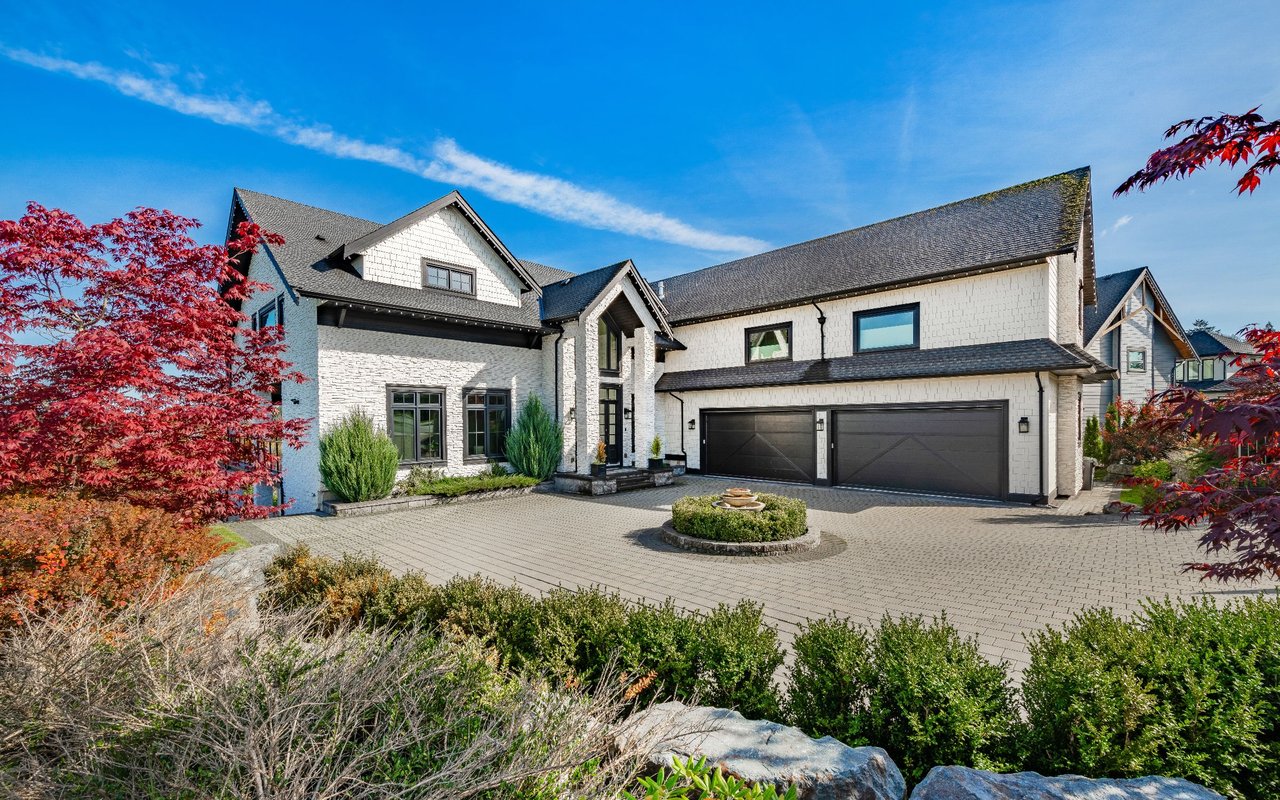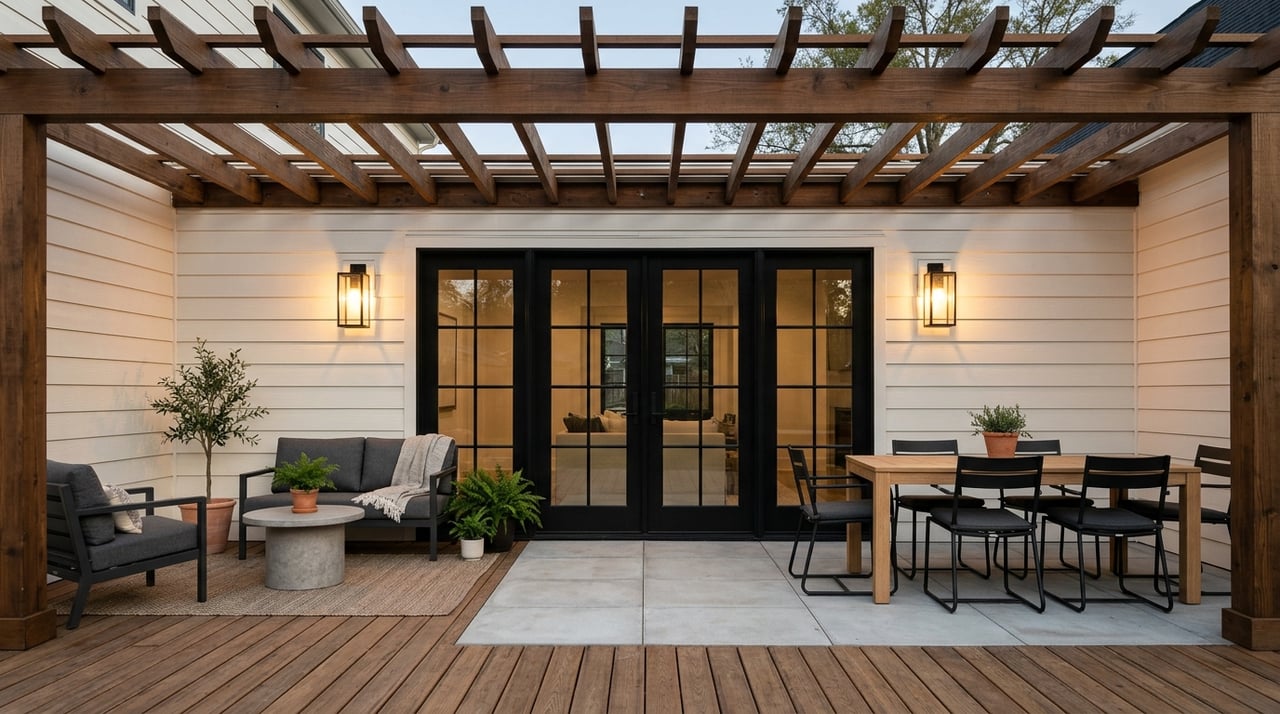
If your outdoor space feels more like a rainy-season chore than a true extension of your home, you are not alone. In Snohomish, a welcoming yard has to work through wet months, dry summer stretches, and the realities of everyday upkeep. The good news is that you do not need a major overhaul to create an outdoor area that feels inviting, photographs beautifully, and supports your home’s overall presentation. Let’s dive in.
Why outdoor living matters in Snohomish
Outdoor space is not just a bonus feature anymore. Zillow’s 2024 buyer data found that 70% of buyers said a patio, deck, or yard was very or extremely important. That means your exterior spaces can shape how buyers feel about your home before they ever step inside.
For sellers in Snohomish, this matters even more because outdoor living often supports the lifestyle buyers want to imagine. A tidy patio, a usable deck, or a thoughtfully arranged yard can make your home feel larger, more functional, and more memorable in listing photos and in-person showings.
Design for Snohomish weather
Snohomish outdoor spaces need to handle contrast. NOAA data from the Everett station reports 40.25 inches of average annual precipitation, with wetter late fall and winter months and much drier conditions in July and August. That pattern makes drainage, mulch, and practical plant choices especially important.
WSU also notes that the Puget Sound region gets only about 3 inches of rain over the whole summer. So even if your landscape looks lush in spring, it may still need irrigation support during dry months. A successful outdoor space here is one that looks good in photos and also holds up in real life.
Start with drainage and surfaces
Before you add furniture or planters, make sure the space drains well. Wet-season puddles, muddy walkways, or soggy planting beds can make an otherwise attractive yard feel neglected.
Focus first on clean, usable hardscaping. Patios, walkways, and deck areas should feel safe, open, and easy to maintain. In many cases, simple cleanup and repair work creates more impact than a large, expensive renovation.
Use mulch for a cleaner look
Mulch does more than make garden beds look finished. WSU recommends mulch to retain moisture and help control weeds, which is especially helpful in a climate with winter moisture and summer dry spells.
From a presentation standpoint, mulch also makes beds read as intentional and well cared for. That clean, composed look supports both curb appeal and online photography.
Choose plants that fit the site
One of the smartest ways to create a welcoming outdoor space is to stop fighting your yard. USDA guidance notes that hardiness maps are only a starting point because microclimates, soil moisture, light, wind, and winter exposure can vary even within the same property.
In practical terms, that means the best planting plan depends on your specific lot. A shady low spot, a sunny front bed, and a breezy side yard may all need different solutions.
Native and native-inspired planting
Snohomish County highlights native plants as a cornerstone of a healthy natural environment. The county notes benefits such as improved water quality, improved habitat, and reduced soil and bank erosion.
Examples the county shares include deer fern, vine maple, sweet gale, skunk cabbage, snowberry, kinnikinnick, red elderberry, and Pacific bleeding heart. You do not need to turn your whole yard into a restoration project to use these ideas. Even a few native or native-inspired beds can give your landscape a grounded, Northwest feel with more natural resilience.
Plant in spring or fall
WSU recommends spring or fall for most landscape planting in western Washington. Fall can be especially helpful because it gives roots time to establish before the next dry season.
If you are preparing to sell, timing your planting around these seasons can help your yard look more settled and less freshly installed. Buyers tend to respond best to outdoor spaces that feel established and easy to maintain.
Create simple outdoor living zones
You do not need an elaborate outdoor kitchen to make your yard more appealing. The strongest presentation gains often come from creating clear, usable zones with clean lines and a few well-chosen pieces.
Houzz’s 2024 outdoor trends study found that one-third of homeowners were upgrading outdoor areas to extend living space. Common additions included chairs, pillows, throws, umbrellas, rugs, and sofas or sectionals. These updates help outdoor areas feel like true living space rather than leftover square footage.
Focus on one purpose per area
A welcoming space usually starts with clarity. Instead of scattering furniture across the yard, define one purpose for each area.
For example, you might create:
- A small conversation area on the patio
- A dining nook on the deck
- A quiet bench near the garden
- A simple porch moment with planters and seating
This kind of layout helps buyers visualize how they would use the space. That is especially important because NAR’s 2025 staging report found that 83% of buyers’ agents said staging made it easier for buyers to visualize a property as a future home.
Keep décor restrained
Outdoor areas photograph best when they feel edited. Too many accessories can make the space look smaller and distract from the yard itself.
Instead, aim for a few simple touches:
- Coordinated cushions
- A neutral outdoor rug
- Matching planters
- One umbrella if needed for shade
- Minimal tabletop décor
This approach feels polished without looking overdone. It also aligns with the kind of lifestyle-driven presentation that helps a home stand out online.
Use lighting to add warmth
Lighting is one of the easiest ways to make an outdoor space feel finished. Houzz found that 78% of outdoor-system projects included lighting upgrades, with landscape lighting, string or bistro lights, and porch sconces among the most common choices.
For sellers, lighting matters because it adds warmth, supports twilight photography, and helps outdoor areas feel usable beyond midday. Even simple updates can make a porch, patio, or pathway feel more inviting.
Where lighting can help most
If you want the biggest impact, focus on areas that shape first impressions and evening ambiance:
- Front porch lighting
- Path lighting near walkways
- Soft deck or patio lighting
- Accent lighting that highlights landscaping
The goal is not to over-light the yard. It is to create a calm, welcoming glow that supports the home’s overall presentation.
Consider rain gardens for problem spots
If your property has a low area or a place where runoff collects, a rain garden may be worth considering. Snohomish Conservation District says rain gardens capture roof or driveway runoff, help reduce flooding and erosion, filter pollutants before they reach waterways, and increase groundwater recharge.
These gardens can also be planted with hardy native perennials that tolerate both wet roots and dry periods. That makes them a practical fit for Snohomish’s seasonal weather pattern.
For some homeowners, a rain garden can solve a landscape problem while adding beauty and environmental function. Snohomish Conservation District also notes that qualified Snohomish County properties may be eligible for cost-share funding.
Make outdoor spaces easier to maintain
Beautiful outdoor living works best when it is sustainable for real life. A space that looks wonderful on installation day but quickly becomes overgrown or weather-worn can create stress for homeowners and distract buyers.
A better strategy is to choose materials, furniture, and planting plans that are realistic to maintain. In Snohomish, that often means using plants suited to the site, mulching beds, keeping views open, and making sure seating and lighting support photos as well as day-to-day use.
A practical seller checklist
If you are preparing your home for the market, start here:
- Clear moss, debris, and clutter from hard surfaces
- Refresh mulch in visible planting beds
- Trim back overgrowth around walkways and windows
- Create one defined seating area
- Add or update outdoor lighting where needed
- Remove worn or mismatched furniture
- Check that irrigation supports summer plant health
- Keep sightlines open for photos and showings
These updates are often more effective than taking on a large outdoor build right before listing.
Know local deck rules before major work
If you are thinking about updating or adding a deck in the City of Snohomish, check local requirements before starting. The city states that a permit is required for all decks built in the city.
The city’s January 2026 application requirements also note that decks in the historic district go through Design Review Board review. More complex decks, such as multilevel decks, decks supporting hot tubs or spas, or decks more than 10 feet above grade, may also require engineering review.
For many sellers, that is a good reason to focus first on lower-risk improvements like cleanup, furnishings, lighting, planters, and planting-bed refreshes. Those changes can still have a strong effect on presentation without adding a bigger project timeline.
Why presentation often beats major construction
Some large outdoor amenities can carry measurable buyer appeal. Zillow’s feature-premium research found premiums associated with features like outdoor kitchens, outdoor showers, and outdoor TVs. But those are usually bigger-ticket projects.
For most sellers, the faster gains come from presentation. Clean hardscaping, thoughtful seating, simple lighting, and climate-smart planting can make outdoor spaces feel useful and elevated without overcomplicating the process.
That is especially true in Snohomish, where buyers often respond to homes that feel both polished and grounded in their setting. A welcoming outdoor space should not feel forced. It should feel like a natural extension of the home and the way you live.
When you are getting ready to sell, every detail works harder when it tells a clear story. Outdoor living is part of that story, and with the right strategy, it can help your home feel more inviting from the very first photo. If you are thinking about how to prepare your property for the market, Kathie Salvadalena offers staging-first, full-service listing guidance designed to help Snohomish sellers present their homes at their very best.
FAQs
What makes an outdoor space feel welcoming in Snohomish?
- In Snohomish, welcoming outdoor spaces usually combine clean hardscaping, simple seating, good lighting, and plantings that can handle wet winters and dry summers.
What outdoor updates matter most for Snohomish home sellers?
- The most effective updates are often cleanup, decluttering, fresh mulch, trimmed landscaping, defined seating areas, and lighting improvements that help the yard look polished in photos and in person.
What plants work well in Snohomish outdoor spaces?
- Snohomish County highlights native options such as deer fern, vine maple, snowberry, kinnikinnick, red elderberry, and Pacific bleeding heart, but the right choice depends on your yard’s light, moisture, and microclimate.
What is a rain garden for a Snohomish property?
- A rain garden is a planted area designed to capture runoff from surfaces like roofs and driveways, helping reduce flooding and erosion while supporting groundwater recharge.
What should homeowners know about deck projects in the City of Snohomish?
- The City of Snohomish requires permits for all decks built in the city, and some projects, including historic-district decks or more complex designs, may need additional review.