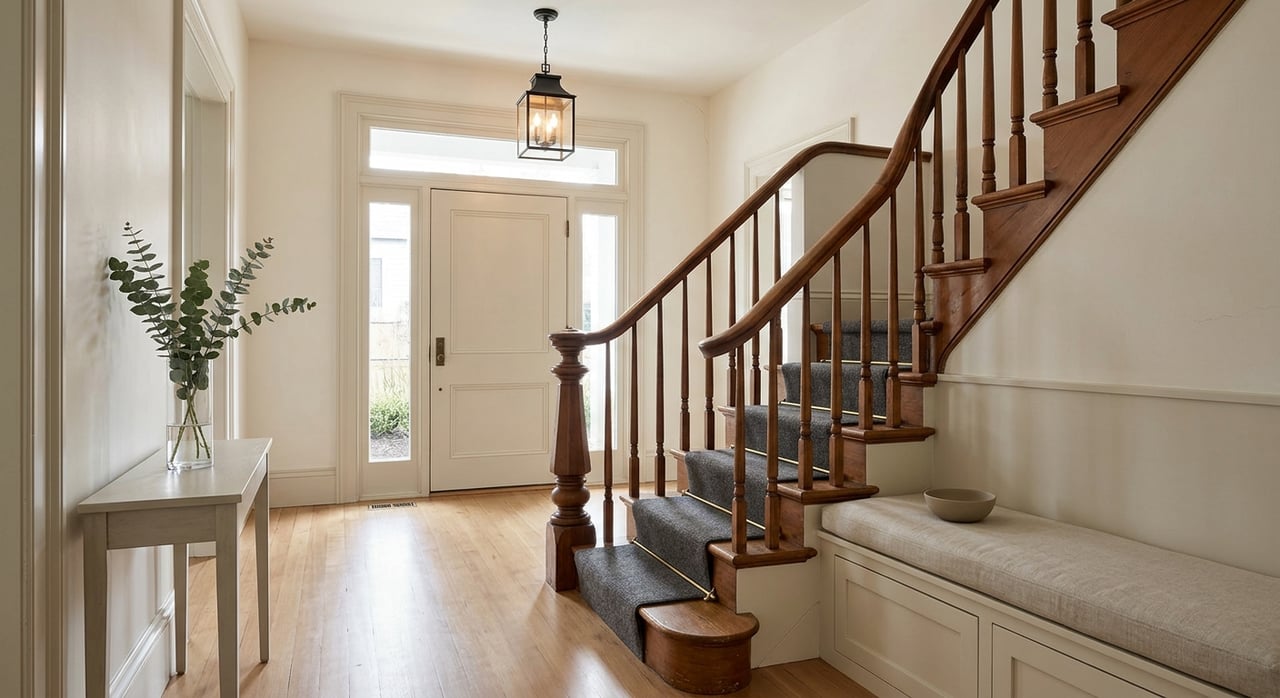
Selling a historic home in Snohomish is not the same as selling just any older house. You are balancing two goals at once: honoring the details that make the property special and presenting it in a way that feels fresh, clear, and compelling to today’s buyers. With the right preparation, you can protect that character, reduce surprises, and help buyers see both the home’s story and its livability. Let’s dive in.
Start With Snohomish’s Historic Rules
If your home is in Snohomish’s Historic District, your prep plan should begin with the city’s preservation process. The district was established in 1973, and the city identifies its character through more than the buildings alone. Mature trees, sidewalks, alleys, porches, rooflines, and the overall setting all help define what buyers experience.
That matters because changes to a historic home are not judged only by whether they look nice in photos. In many cases, they are also reviewed through a local preservation lens. For sellers, that makes it smart to confirm what is considered routine upkeep and what may need an extra step before listing.
Know What the Design Review Board Covers
The Design Review Board reviews exterior modifications, permit-driven construction, signs, fences, demolitions, special tax valuations, and requests to add structures to the historic list. The city also encourages a conceptual Pre-Application Review before a formal submittal. If you are considering exterior work before going to market, this is an important checkpoint.
The good news is that not every project triggers review. Maintenance and like-for-like repair generally do not require Design Review Board approval. Exterior paint also is not reviewed unless it is being used for signage.
Focus on Preservation, Not Reinvention
Snohomish’s design standards recognize that older homes may need updates to remain viable. Additions, seismic strengthening, new entrances, façade maintenance, and accessory structures can all be part of responsible stewardship. At the same time, the standards say original architectural detailing should not be removed or changed if it is original to the building.
If a feature must be replaced, the replacement should approximate the original appearance, profile, and texture. For sellers, that is a practical guide for pre-listing decisions. The goal is not to make a historic home look brand new. The goal is to make it look cared for, functional, and true to itself.
Gather Records Before You List
Historic-home buyers often want more than a pretty brochure. They want confidence. A well-documented property feels more trustworthy because it helps answer the questions that naturally come up around age, work completed, ownership history, and permits.
This is one of the simplest ways to strengthen your listing before it hits the market. When you assemble records early, you save time later and make it easier to respond to buyer questions with clarity.
Useful Snohomish Records to Collect
Snohomish County Recording is the official source for deeds, mortgages, liens, releases, easements, plats, surveys, and other real-property records. The county says most documents recorded since July 1976 are available online, and older records can be searched with help from recording staff.
Within city limits, the City of Snohomish Permit Center handles development-related permitting, and the city directs people to use a Permit Record Request Form to obtain copies of issued permits. The city also maintains a public-records portal for formal requests. In addition, the Snohomish County Assessor provides property information and historical records, and DAHP’s WISAARD database can be searched for historic-property inventory information, photos, and National Register nominations.
Create a Seller File Buyers Can Trust
Before listing, it helps to gather:
- deed history
- surveys or plats
- permit copies
- inspection reports
- contractor invoices
- warranties
- historical photos
You do not need a museum archive. You just need an organized file that shows care, transparency, and follow-through. For many buyers, especially those drawn to historic homes, that kind of preparation supports stronger confidence from the start.
Refresh What Buyers See First
When sellers think about getting ready for market, it is easy to jump to dramatic upgrades. In a Snohomish historic home, that is often the wrong instinct. The safer and smarter approach is usually a cosmetic refresh that improves presentation without erasing the features that give the home its identity.
That means looking closely at the details buyers notice right away. In this market, character is not clutter. Character is your advantage when it is clean, intact, and easy to appreciate.
Preserve the Features That Carry Value
Snohomish’s visual language includes steep roofs, porches, vertically oriented windows, wide wood trim, mature street trees, sidewalks, and alleys. These are the details that help a home read as historic in the best sense of the word. They also shape first impressions online and in person.
The city’s standards emphasize that original detailing should be preserved, and the Secretary of the Interior’s Standards discourage changes that create a false sense of historical development. In plain terms, buyers respond best when a home feels authentic, not overworked.
Repair First When Possible
National Park Service guidance supports a repair-first approach. Historic character should be retained, distinctive materials and craftsmanship preserved, and deteriorated features repaired rather than replaced.
Windows are a good example. NPS says repair should come first, and that weatherstripping and storm windows are valid ways to improve performance. Energy or code concerns alone are not automatic reasons to replace historic windows.
Choose Updates That Respect the Home
If you are deciding where to invest before listing, focus on work that improves function and appearance while keeping the home’s shape and detailing intact. Helpful examples may include:
- repairing damaged trim instead of removing it
- cleaning up the porch and entry sequence
- refreshing landscaping so the façade is easier to read
- using paint to tidy and unify exterior presentation
- addressing deferred maintenance that distracts buyers
Because exterior paint colors are not regulated by the historic standards, paint can be a useful tool for presentation. The key is restraint. A clean, period-respectful finish usually does more for market appeal than a trendy choice that competes with the architecture.
Stage for Today’s Buyer Expectations
Historic charm alone does not carry a listing. Buyers still shop online first, compare every home visually, and expect a polished presentation. That is where staging and photography matter.
According to the 2025 Profile of Home Staging, 83% of buyers’ agents said staging made it easier for buyers to visualize a home as a future residence. The same report found that buyers’ clients rated photos at 73%, physical staging at 57%, videos at 48%, and virtual tours at 43% as more or much more important.
Let the Architecture Lead
In a Snohomish historic home, staging works best when it clears visual noise instead of competing with the house. You want buyers to notice the porch, windows, trim, roofline, and natural relationship to the street and lot. Those character-defining features are part of what makes the property memorable.
The most commonly staged rooms are the living room, primary bedroom, and dining room. That lines up well with many historic homes, where these spaces often carry some of the strongest architectural detail. A thoughtful staging plan helps those rooms feel both beautiful and usable.
Prepare for the Camera
Most buyers will meet your home online before they ever step through the front door. NAR’s photo guidance is clear: high-resolution photos and video tours are a must, and cameras magnify clutter and grime.
Before photo day, it helps to:
- open blinds for natural light
- remove distracting items
- pare down furniture where a room feels crowded
- clean surfaces, floors, and windows carefully
- keep the home show-ready so the in-person visit matches the online impression
NAR also reported that 58% of respondents said buyers were disappointed when homes did not match TV-style expectations. That does not mean your home needs to look staged beyond recognition. It means your marketing and your in-person presentation need to feel aligned.
Disclose Clearly and Early
Preparation is not only about looks. It is also about process. In Washington, the improved residential seller-disclosure law requires a completed seller disclosure statement unless the buyer waives it or the transfer is otherwise exempt.
The law requires delivery not later than five business days after mutual acceptance unless the parties agree otherwise. The disclosure is based on your actual knowledge, and if you later learn that a disclosure became inaccurate before closing, the statement must be amended.
Special Note for Pre-1978 Homes
If your home was built before 1978, federal lead-disclosure rules also apply. Sellers must provide the EPA pamphlet, disclose known lead hazards, and provide available records and reports.
That is especially relevant for historic homes because EPA notes that roughly three-quarters of U.S. housing built before 1978 contains some lead-based paint. If you already have records, reports, or invoices tied to past work, gather them early so you are not scrambling later.
Build a Better Historic-Home Listing Story
The strongest Snohomish historic-home listings usually tell a clear story. They show that the home has been cared for, that its important details have been respected, and that the seller is prepared with documentation and disclosures. That combination helps buyers feel both emotionally drawn in and practically reassured.
If you want the best result, think of pre-listing prep as a sequence. Confirm local review needs, collect records, repair thoughtfully, stage with restraint, and present the home with professional marketing that highlights what makes it special today. That is often how a historic property stands out for the right reasons.
Selling a legacy home can feel personal because it is personal. With the right guidance, you can preserve what matters, present it beautifully, and move forward with confidence. If you are thinking about selling a historic home in Snohomish, Kathie Salvadalena offers full-service, staging-first listing support designed to help you maximize value while honoring your home’s character.
FAQs
What does Snohomish review before exterior changes to a historic home?
- In Snohomish’s Historic District, the Design Review Board reviews exterior modifications, permit-driven construction, signs, fences, demolitions, special tax valuations, and requests to add structures to the historic list.
What records should you gather before selling a Snohomish historic home?
- A strong seller file may include deed history, surveys or plats, permit copies, inspection reports, contractor invoices, warranties, and historical photos.
What cosmetic updates are safest for a Snohomish historic home before listing?
- The safest updates are usually preservation-minded improvements such as like-for-like repairs, paint refreshes, porch and trim cleanup, landscaping improvement, and maintenance that helps original details stand out.
What should sellers know about windows in a historic Snohomish home?
- National Park Service guidance says repair should come first, and weatherstripping and storm windows can improve performance without automatically replacing historic windows.
Why does staging matter when selling a historic home in Snohomish?
- Staging can make it easier for buyers to picture the home as a future residence, and a simple, architecture-first approach helps original details stand out in photos and showings.
What disclosure rules apply when selling an older home in Washington?
- Washington generally requires a seller disclosure statement based on the seller’s actual knowledge unless waived or exempt, and homes built before 1978 also require lead-related disclosures and available records.