Trying to choose between a brand-new house and an older home in Snohomish? It is a smart question, because this city offers both in a way many markets do not. If you are weighing charm against convenience, or long-term upkeep against turnkey living, understanding how Snohomish’s housing stock is shaped can help you make a more confident decision. Let’s dive in.
Snohomish offers two very different paths
Snohomish has an unusually broad mix of housing ages. The city reports a median construction year of 1989, and it still has nearly 600 homes built before 1939 in its inventory. That means you are not just comparing old versus new in theory. You are comparing real, visible choices across a city with homes that span more than a century.
Older homes are not spread evenly across Snohomish. Historic buildings are concentrated most heavily in the southern part of the city, while more recent development has generally taken shape in the northern and western areas. This pattern helps explain why the feel of one part of Snohomish can be very different from another.
The city is also adding housing, but not at a rapid pace. From 2020 to 2023, only 105 new units were added. At the same time, Snohomish says current zoning capacity can support 2,310 more housing units through 2044, so more growth is planned over time.
What new construction usually looks like
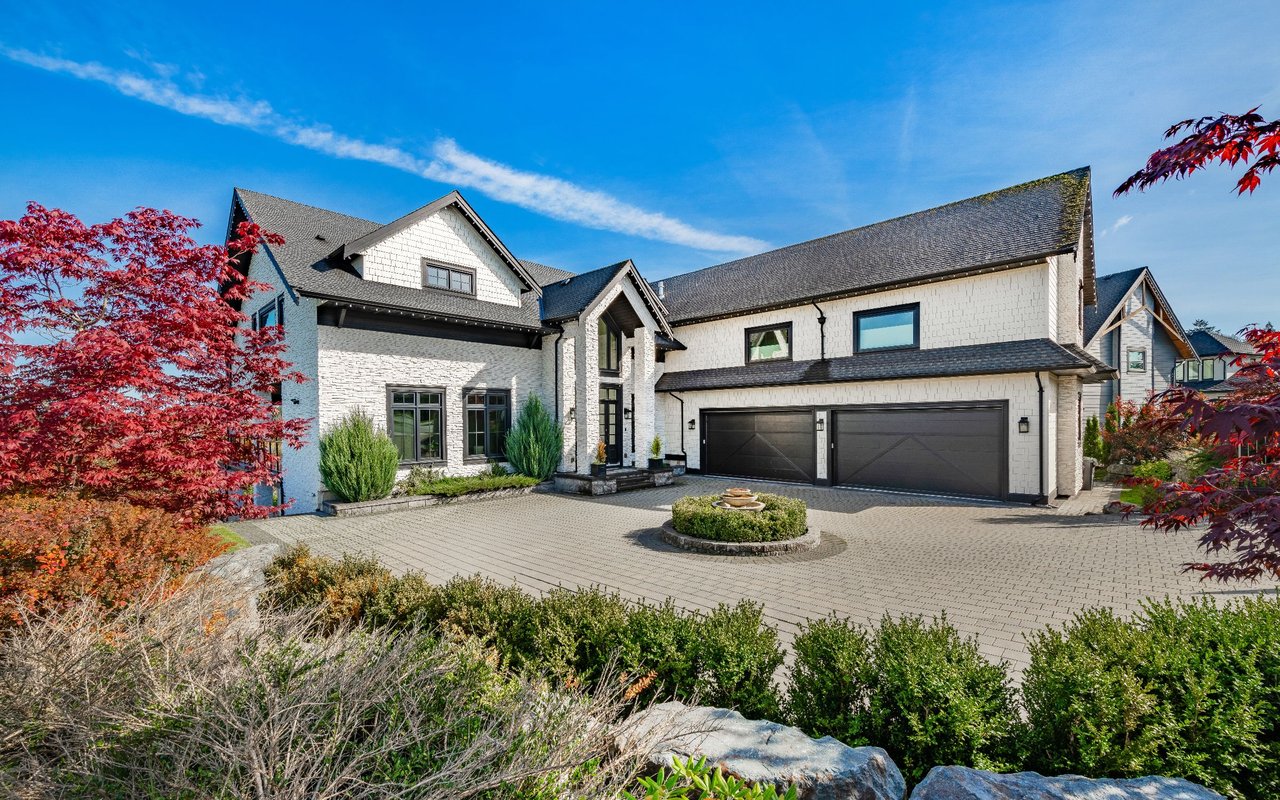
In Snohomish, new construction often comes in planned subdivisions instead of scattered one-off builds. Current city project examples include a 39-lot planned residential development on Terrace Avenue and a 111-lot PRD/ULS project. These developments include site improvements and shared open-space elements that shape the overall neighborhood feel.
That matters because buying new in Snohomish often means buying into a more engineered setting. Depending on the project, you may see new internal roads, frontage improvements, street trees, parks, open-space tracts, critical-area protection, and underground utilities. In some PRD projects, lots can be as small as 4,000 square feet in exchange for higher open-space standards and administrative design review.
Why buyers lean toward new homes
The biggest draw of new construction is usually predictability. Newer homes tend to offer lower near-term maintenance needs, and they are generally built with more efficient systems and building envelopes than much older homes.
According to DOE information cited in the research, certified new homes are built for energy savings, comfort, health, and durability. ENERGY STAR homes can also reduce utility and maintenance costs. HUD consumer guidance adds useful context here: homes built in 2000 and later use only 2% more energy on average than homes built before 2000, even though they are about 30% larger.
For many buyers, that translates into a simpler day-to-day experience. You may spend less time worrying about major systems in the first few years, and monthly operating costs may feel more predictable.
What you may give up with new construction
New does not always mean more character. In Snohomish, many newer homes are part of subdivision-style development, which creates a different experience than living in the city’s older core. You may get updated finishes and efficient systems, but not the same architectural variety or historic setting that draws people to classic Snohomish homes.
Lot size and streetscape can also feel different. Some planned developments trade smaller lots for open-space amenities and other site improvements. That is not necessarily a drawback, but it is worth knowing what kind of neighborhood experience you want.
What classic Snohomish homes usually offer
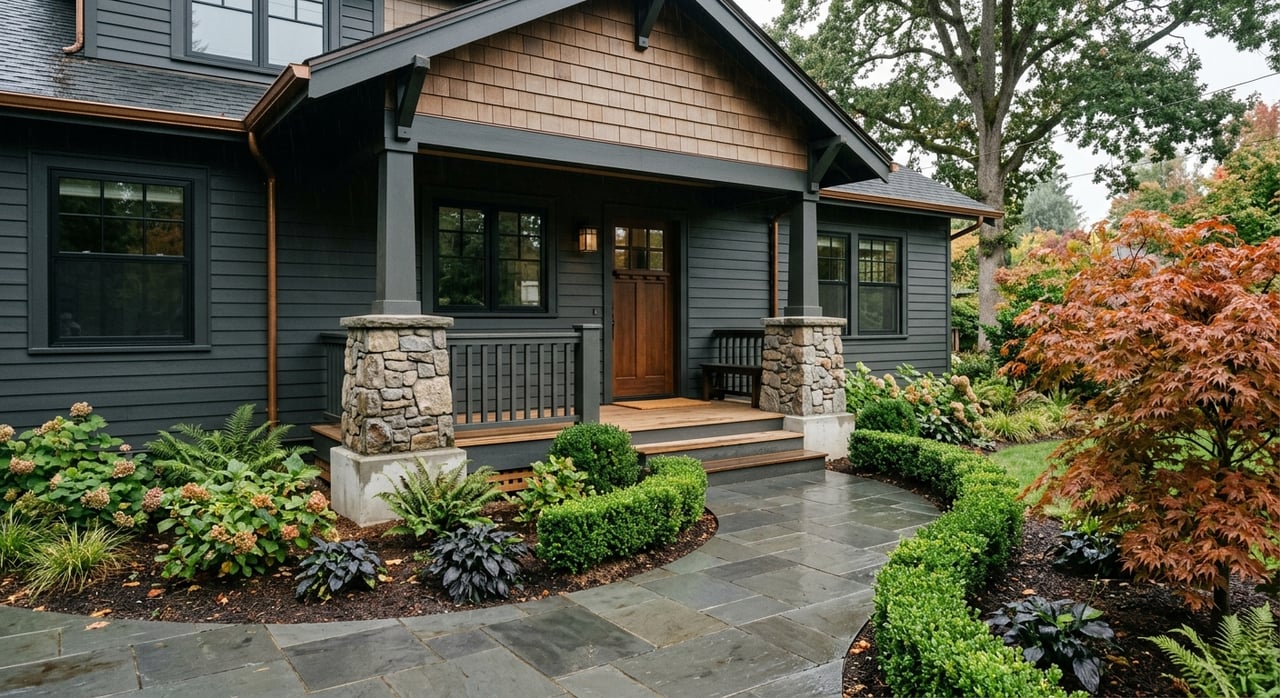
Classic homes are one of Snohomish’s defining strengths. The city’s Historic District dates from the 1860s to the present, with an emphasis on homes and buildings from before 1920. Styles in and around that district include Craftsman Bungalow, Queen Anne Victorian, Shingle, Colonial Revival, and other turn-of-the-century forms.
Just as important as the homes themselves is the setting around them. The historic district features mature street trees, alleys, sidewalks, a modified grid, and a pedestrian-oriented street pattern shaped by the rivers, floodplain, and mountain views. That sense of place is hard to duplicate in newer development.
Why buyers are drawn to classic homes
If you love details that feel distinctive, classic homes often deliver. You may find architecture, lot patterns, and streetscapes that feel more rooted in place than what is typical in newer subdivisions. In Snohomish especially, the historic core is a major part of local identity.
Classic homes can also offer scarcity value. Because many of these properties sit in established parts of town and reflect older building styles, they appeal to buyers who want something with a more individual feel. In a market where both turnkey homes and character homes can perform well, that difference matters.
Mid-century homes sit in the middle
Not every older home in Snohomish is a historic home. Mid-century homes from the 1940s through the 1960s sit between the pre-1939 housing stock and newer subdivisions. Based on the city’s age-of-housing data, these homes are part of the middle of Snohomish’s age spectrum rather than the signature historic-district inventory.
For many buyers, that middle category can be appealing. You may get an established location and some older-home character without taking on the full quirks of a much earlier property.
The biggest tradeoff is upkeep
The most important difference between new construction and classic homes is often maintenance. HUD research cited in the report found that maintenance and repair expenses rise with house age. That effect becomes more noticeable when larger replacement items like roofing or siding are included.
In practical terms, an older home may deserve a bigger inspection and repair budget. That does not make it a poor choice. It simply means you should go in with clear expectations about systems, materials, and the possibility of future updates.
Updated older homes often land in the sweet spot. If a seller has already replaced major systems and improved efficiency, you may get much of the charm of a classic home with less near-term work. That can be especially attractive in Snohomish, where architecture and setting often matter just as much as square footage.
How both options fit today’s market
Snohomish remains a competitive market. As of April 2026, homes were receiving about 2 offers on average and selling in around 7 days, with a median sale price of $749,588. At the same time, 18 new homes were listed for sale in Snohomish at a median listing price of $735,000.
The city’s long-run housing analysis shows a similar pattern of resilience. Home prices fell after the 2008 recession, returned to 2008 levels by 2017, and then rose rapidly, while new construction recovered more slowly. In a market like this, both new homes and well-presented classic homes can attract strong interest, but often for different reasons.
New homes usually appeal on turnkey condition and efficiency. Classic homes tend to attract buyers through character, location, and relative scarcity. If you are deciding between the two, the better fit often comes down to how you want to live and what level of ongoing work feels comfortable.
Questions to ask before you choose
Before you decide, it helps to narrow the choice to your real priorities. Ask yourself:
- Do you want the lowest possible maintenance burden in the first few years?
- Do you care more about architectural character or move-in-ready systems?
- Would you rather live in a planned subdivision or an established part of town?
- Are you comfortable budgeting for future repairs or updates?
- Does walkable historic setting matter to you?
Your answers can quickly point you in the right direction. In Snohomish, this is rarely a one-size-fits-all decision.
What this means if you plan to sell
If you own a home in Snohomish, this new-versus-classic comparison matters for your sale strategy too. Buyers are not just comparing your home to one competing listing. They are often comparing a historic or established-home lifestyle against the simplicity of newer construction.
That is why presentation matters so much. A classic home needs its story, condition, and architectural strengths presented clearly, while a newer home benefits from emphasizing efficiency, ease, and clean, turnkey appeal. In either case, thoughtful preparation can help buyers understand the value quickly.
For sellers in Snohomish, especially those with historic or high-character properties, strong staging and tailored marketing can make the difference between a home that feels niche and one that feels irresistible. If you want guidance on how your home fits today’s market, Kathie Salvadalena offers boutique, high-touch listing support rooted in deep Snohomish expertise.
FAQs
How common are older homes in Snohomish?
- Snohomish has a median construction year of 1989, and the city reports nearly 600 homes built before 1939, so older housing is a meaningful part of the local inventory.
Where are historic homes most concentrated in Snohomish?
- An earlier city housing profile said historic buildings are concentrated most heavily in the southern part of Snohomish, while newer development is more common in the northern and western areas.
What does new construction in Snohomish usually include?
- New construction often appears as planned subdivisions with features such as new roads, frontage improvements, street trees, open-space tracts, parks, critical-area protection, and in some projects, underground utilities.
Are classic homes in Snohomish more expensive to maintain?
- In general, older homes tend to have higher maintenance and repair costs over time, especially when larger replacement items like roofing or siding are involved.
Is Snohomish a competitive housing market right now?
- As of April 2026, homes in Snohomish were selling in about 7 days on average, receiving around 2 offers, with a median sale price of $749,588.
Which is better in Snohomish: new construction or a classic home?
- The better choice depends on your priorities. New construction often fits buyers who want lower near-term maintenance and better efficiency, while classic homes tend to appeal to buyers who value character, established settings, and historic context.