By Kathie Salvadalena
Snohomish has a distinct character — historic downtown architecture, acreage properties edged by farmland, newer construction in established neighborhoods, and the ever-present Pacific Northwest landscape pressing in from every direction. The design choices that work best here respond to all of that. Whether you're buying a home in Snohomish for the first time, renovating a property you've owned for years, or preparing to sell, understanding which interior design styles suit the market helps you make decisions that hold up over time. Here's a practical look at the styles I see working best in Snohomish homes, and what makes each one a strong fit.
Key Takeaways
-
Pacific Northwest Craftsman is the most historically rooted style in Snohomish and translates well to both classic and updated interiors
-
Contemporary Farmhouse suits the rural character of Snohomish's acreage and transitional properties
-
Pacific Northwest Modern is gaining traction with buyers relocating from King County who prioritize clean lines and indoor-outdoor connection
-
Transitional style — a blend of classic and contemporary elements — is consistently the strongest choice for resale
Pacific Northwest Craftsman
Craftsman style has been the defining architectural language of the Pacific Northwest since the early 20th century, and Snohomish's historic downtown district carries some of the finest examples in the county. Craftsman interiors are built around natural materials — wood, stone, and handcrafted details — with warm, layered finishes and a strong connection between indoor and outdoor spaces.
Defining features of Craftsman interiors
-
Exposed wood beams and built-in shelving, often in fir or cedar
-
Stone or brick fireplace surrounds as the anchor of the main living space
-
Warm, earthy color palettes — deep greens, browns, terracottas, and creamy whites
-
Wainscoting, coffered ceilings, and trim work that emphasizes craftsmanship
-
Covered front porches that extend the livable footprint into the outdoors
For historic properties in downtown Snohomish, restoring original Craftsman details rather than replacing them with contemporary finishes consistently produces stronger buyer response. Buyers who are drawn to this neighborhood are typically looking for authenticity, and well-preserved millwork, original hardwood floors, and period-appropriate hardware deliver it.
Contemporary Farmhouse
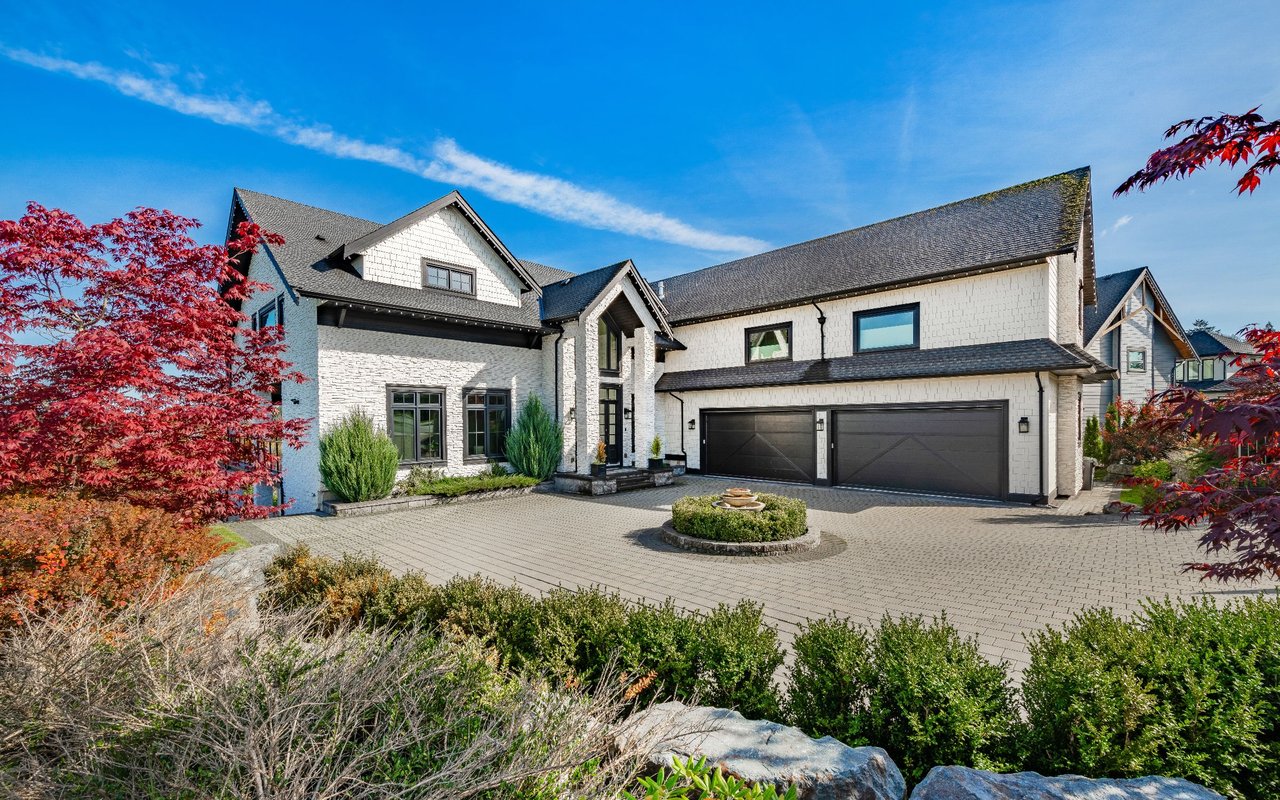
Contemporary Farmhouse is the style I see most often in Snohomish's transitional properties — homes on larger lots or with acreage that sit between traditional farmhouse character and modern functionality. It takes the warmth and materiality of classic farmhouse design and updates it with cleaner lines, neutral palettes, and fixtures that feel current without chasing trends.
What distinguishes Contemporary Farmhouse
-
Shiplap and board-and-batten wall treatments used selectively, not throughout
-
Apron-front sinks, matte black hardware, and open shelving in kitchen spaces
-
Neutral palette anchored by warm whites, soft grays, and natural wood tones
-
Mixed metals — brass and matte black — rather than a single finish throughout
-
Functional layouts that prioritize mudroom entries and storage for an active, outdoor lifestyle
This style reads particularly well on acreage properties in Snohomish where the exterior setting — open pasture, mature trees, mountain views — calls for an interior that feels grounded rather than urban. It also photographs exceptionally well for listings, which matters when you're preparing a property for the market.
Pacific Northwest Modern
Pacific Northwest Modern is the design direction gaining the most momentum among buyers relocating to Snohomish from Seattle and Bellevue. It draws on the clean lines and open plans of contemporary design while grounding them in the natural materials and landscape connection that define the Pacific Northwest. Large windows, natural light prioritization, and indoor-outdoor integration are central.
Core elements of Pacific Northwest Modern
-
Floor-to-ceiling windows and glass sliding doors that open main living spaces to covered decks or patios
-
Natural material palette: white oak, concrete, basalt tile, linen, and leather
-
Flat or low-pitched rooflines on newer construction, often with deep overhangs for rain protection
-
Minimalist approach to color — warm whites, warm grays, and natural wood tones dominate
-
Biophilic elements: potted natives, live-edge wood accents, and natural fiber textiles that bring the outdoors in
For buyers coming from denser markets, Pacific Northwest Modern offers the space and light they've been looking for without the decorative complexity of more traditional styles. It also tends to pair well with the Snohomish landscape, where the views — whether of the Cascades, open fields, or river corridors — are worth framing rather than competing with.
Transitional Style: The Strongest Resale Choice
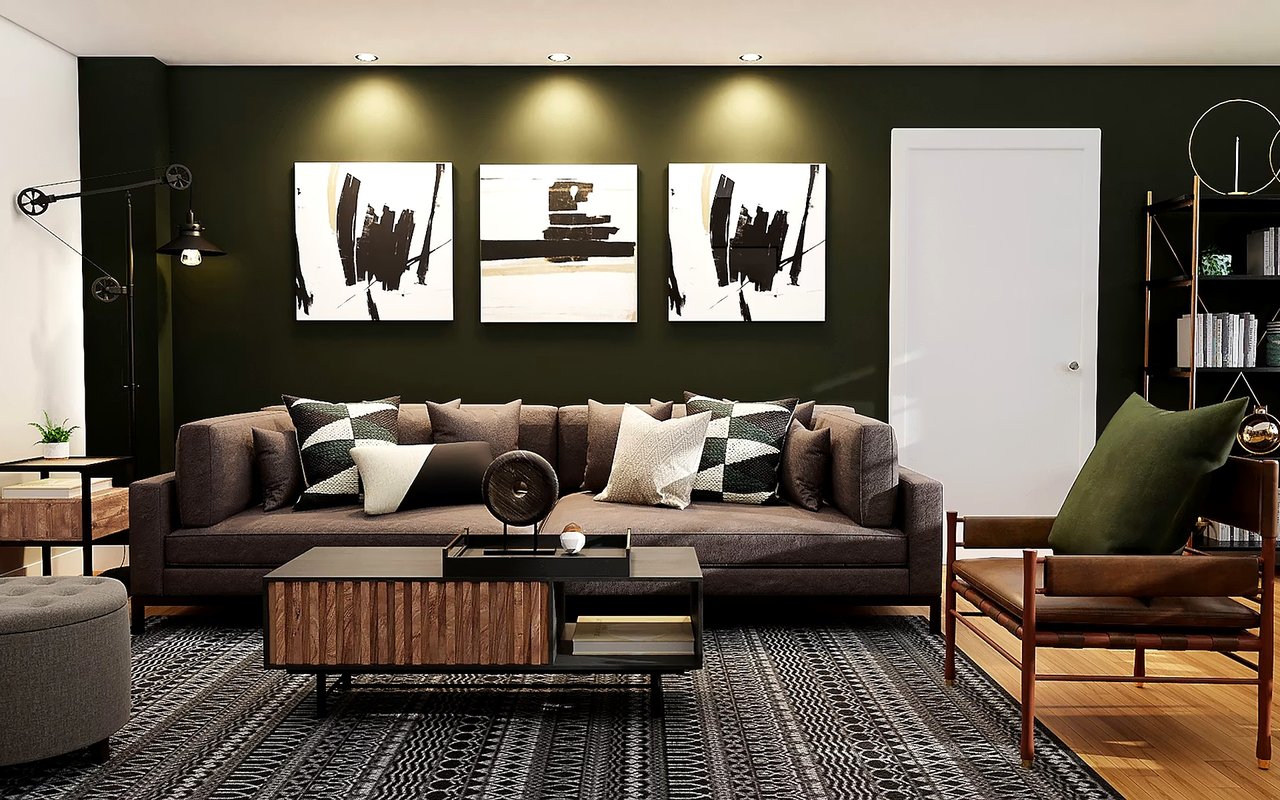
If you're planning to sell in the next few years, transitional style consistently performs best with the broadest buyer pool. It blends classic architectural details with contemporary finishes — crown molding with simple hardware, hardwood floors with clean-lined furniture, traditional layout with open sightlines. Nothing about it reads as dated, and nothing about it reads as so specifically modern that it alienates buyers who prefer warmth.
Why transitional works for Snohomish sellers
-
Appeals to Millennial buyers prioritizing space and lifestyle who make up a large share of the current Snohomish buyer pool
-
Photographs well across all seasons and lighting conditions
-
Avoids trend-dependent choices that may feel dated within five years
-
Compatible with a wide range of architectural styles found across Snohomish County
-
Flexible enough to accommodate different furniture scales and family configurations
When I work with sellers on pre-listing preparation, transitional updates are typically where I focus the recommendation — fresh neutral paint, updated light fixtures, clean hardware throughout, and decluttered built-ins. These changes don't require a renovation budget, but they shift how buyers experience the home within the first sixty seconds of walking in.
What to Consider When Choosing a Style
The best interior design choice for any Snohomish home starts with the architecture itself. A 1910 Craftsman bungalow in the historic district and a 2019 farmhouse on five acres in the Pilchuck River corridor have different bones, and the design approach that works for one won't work for the other. Start by identifying what the home already is, then decide how far to lean into that character or how carefully to update it.
Questions worth asking before committing to a direction
-
Does the architecture have original details worth preserving or restoring?
-
Who is the likely buyer for this property, and what do they expect from the interior?
-
What is the budget — and which changes deliver the most value per dollar?
-
How long do you plan to own the home, and does that timeline affect the decision?
Frequently Asked Questions
Which interior design style adds the most value to a Snohomish home before selling?
Transitional style produces the broadest buyer appeal in Snohomish's current market. It updates the home without polarizing buyers who prefer classic or contemporary design, and it photographs well in all conditions. I typically guide sellers toward transitional updates as the highest-return pre-listing investment.
Does the exterior architectural style of a Snohomish home dictate the interior design?
Not strictly, but working with the architecture rather than against it produces more cohesive results and stronger buyer response. A Craftsman home with contemporary interiors can work, but it requires careful execution. Most buyers in Snohomish respond best when interior and exterior character feel aligned.
Are there design styles that tend to underperform in Snohomish's real estate market?
Heavily trend-specific choices — all-white kitchens that feel sterile, industrial-only aesthetics, or hyper-minimalist spaces with no warmth — tend to narrow the buyer pool rather than expand it. Snohomish buyers consistently respond to homes that feel livable, warm, and connected to the Pacific Northwest context.
Work With a Snohomish Real Estate Expert
Knowing which design choices serve your home's value — and which ones don't — is part of what I bring to every client relationship in Snohomish. Whether you're buying, renovating, or preparing to list, I help you make decisions that fit the market and the property.
Reach out to me to learn more about how I help Snohomish homeowners prepare and position their homes.
Reach out to me to learn more about how I help Snohomish homeowners prepare and position their homes.