If you are thinking about buying a rental or duplex in Snohomish, it is easy to focus on the charm first and the numbers second. That can be a costly mistake in a market where true duplex opportunities are limited, prices are high, and lot-specific rules can shape what a property can actually do. In this guide, you will learn the key zoning, financial, tenant-use, and property-condition issues to review before you buy, so you can make a more confident decision. Let’s dive in.
Why Snohomish needs careful rental analysis
Snohomish offers real appeal for buyers who want character, access to local amenities, and a location tied into the broader Snohomish County area. City planning documents show an estimated 4,521 housing units in 2023, with about 55% owner-occupied and 45% renter-occupied. The city also reports roughly 5,900 jobs and a jobs-to-housing ratio of about 1.4, which helps support ongoing housing demand.
At the same time, duplex-style opportunities are not especially common. The city found that single-family attached and duplex-style homes made up only 4.4% of the housing stock. That means you should expect more property-by-property evaluation rather than a large pool of interchangeable duplex listings.
Start with Snohomish zoning
Before you get attached to a property, confirm what the lot legally allows. In Snohomish city limits, Title 14 of the Snohomish Municipal Code governs zoning, and the city directs buyers to identify the zoning designation first, then confirm permitted uses and dimensional standards.
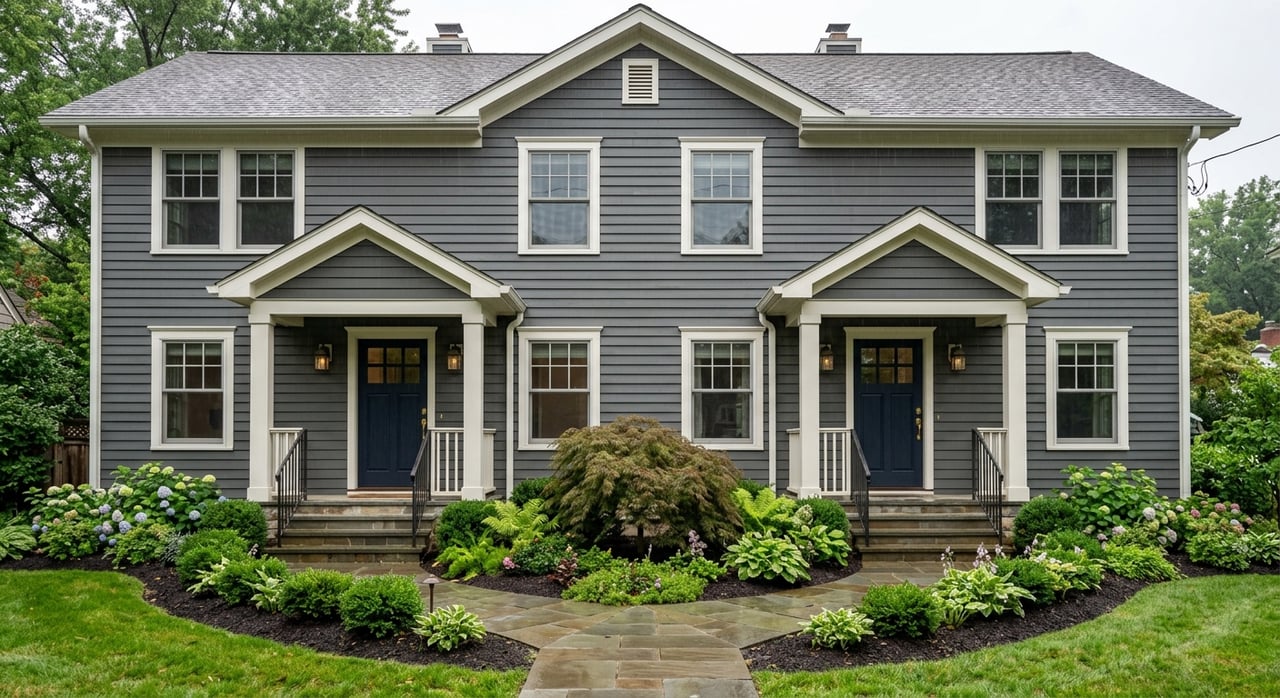
This matters because a building that looks like a duplex is not automatically a legal duplex. The city defines a duplex as a residential structure containing two dwelling units on one lot. Its middle-housing guidance also states that single-family attached housing is not permitted in the SFR zone unless it is part of a planned residential development.
Confirm the current use
If you are buying an older property or a home that may have been converted over time, ask whether the current setup is legal and documented. Permit history can be just as important as floor plan or curb appeal. A second kitchen, separate entrance, or basement unit does not by itself prove lawful two-unit use.
Review lot standards too
Even if the use is allowed, you still need to check dimensional rules. Setbacks, lot coverage, parking layout, and other site constraints can affect how the property functions now and what improvements you may be able to make later. In Snohomish, the lot often tells the real story.
Historic and overlay rules can change the picture
In parts of Snohomish, the base zone is only one part of the review. Overlay districts can add design standards and additional scrutiny, especially for exterior changes or rehabilitation work.
The city’s Historic District uses design standards along with the Secretary of the Interior’s Standards for Rehabilitation. The Pilchuck District is also subject to more detailed design regulations than many other areas and is intended to support a compact, walkable neighborhood pattern.
Why this matters for buyers
If you are considering a downtown rental, duplex, or older home with income potential, design review may play a bigger role than you expect. Repair choices, additions, exterior materials, and visible changes may not be as simple as they would be in a more typical suburban setting. That does not make the property a bad opportunity, but it does mean your timeline and improvement budget should reflect local rules.
Flood hazard review is worth extra attention
Some Snohomish-area properties need more than a standard inspection review. Snohomish County says buyers should verify legal lot status, and county flood hazard rules can require a flood hazard permit and elevation certificate for projects in special flood hazard areas.
For river-adjacent or lower-lying properties, floodplain rules can affect renovation plans, insurance costs, and future improvements. County regulations are designed to alert owners, buyers, and lessees to the natural limitations of floodplain land. If a property is near a flood hazard area, make that review part of your decision early rather than late.
Run the numbers conservatively
Snohomish can be appealing, but the math still has to work. As of early July 2026, Zillow places the average Snohomish home value at $939,176 and average rent at $2,850. Using those figures, the rough gross rent-to-value ratio is about 3.6% before taxes, vacancy, repairs, financing, or management.
That is why conservative underwriting matters. You do not want to assume that appreciation alone will make an income property work. Instead, test the deal against realistic carrying costs and likely operating expenses.
Key costs to include
When you evaluate a rental or duplex in Snohomish, include:
- Mortgage payment
- Property taxes
- Insurance
- Repairs and maintenance
- Vacancy allowance
- Reserve funds for larger replacements
- Utilities, if owner-paid
- Property management, if applicable
Snohomish County says property tax bills are based on assessed value plus voter-approved levies for schools, city, county, and special districts. The assessor updates values annually and calculates levy rates, so your carrying cost review should go beyond the list price and loan payment.
Understand Washington rent and deposit rules
If you plan to operate the property as a rental, state rules affect how income can be managed. The Washington Attorney General says that for most residential tenancies, landlords may not raise rent during the first 12 months. After that, the annual increase is capped at 7% plus CPI or 10%, whichever is less. For 2026, the maximum annual increase published by the state is 9.683%.
The law also requires at least 90 days’ written notice before a rent increase takes effect, and the state has a standardized rent-increase notice form. If your purchase plan depends on quickly resetting rents, make sure your assumptions fit current Washington rules.
Deposit and move-in fee limits
For leases entered into on or after May 7, 2025, combined move-in fees and security deposits generally may not exceed one month’s rent, or two months’ rent if pets are involved. The Attorney General also states that deposits must be returned within 21 days after move-out.
If any deposit is taken, Washington law requires a written rental agreement and a move-in checklist or condition statement. For a buyer, that means existing lease paperwork and turnover procedures deserve close review during due diligence.
Check whether the property works for real tenants
A good-looking property is not always a practical rental. In Snohomish, tenant appeal often comes down to usability, privacy, and day-to-day function more than cosmetic upgrades alone.
The city points to about 170 acres of parks and open space, including the Centennial Trail. It also highlights the Historic District’s mature street trees, sidewalks, alleys, and pedestrian activity. Community Transit serves Snohomish County and connects riders to regional rail hubs, which can also matter for tenants who want transportation options.
Features that often matter most
As you compare properties, look closely at:
- Separate and easy-to-use entrances
- Adequate off-street parking
- Functional laundry areas
- Storage space
- Sound separation between units
- Low-maintenance yard and exterior materials
- HVAC and electrical systems that fit the intended use
- Practical trash placement and outdoor circulation
In a small rental or duplex, these basics can have a big impact on tenant satisfaction, wear and tear, and long-term maintenance.
Inspect older systems carefully
Older Snohomish properties can carry strong appeal, especially in and around historic areas. They can also come with deferred maintenance, aging systems, or past modifications that need a closer look.
Washington law requires landlords to keep roofs, foundations, structural components, common areas, locks, pest control, weather-tightness, and heat, water, and hot water in reasonably good condition. If you are buying a rental or duplex, that means your inspection mindset should go beyond cosmetic condition.
Focus on function, not just finishes
Look closely at big-ticket items and operational systems. A charming exterior or updated kitchen does not offset a weak roof, aging electrical service, poor drainage, or inadequate separation between units. If repairs are already deferred, build realistic reserves into your budget from day one.
Questions to ask before you buy
A Snohomish duplex or rental can be a smart purchase, but only when the legal use, physical condition, and financial model all line up. Before moving forward, it helps to review the basics with the right local professionals.
Use this checklist as a starting point:
- Is the current use legal under the zoning map and permit history?
- Is the property in a historic overlay or flood hazard area?
- What repairs are already deferred?
- What reserve budget makes sense for this property?
- What insurance coverage is needed for a two-unit or income property?
- How will rent limits, notice rules, and deposit rules affect your lease plan?
- Does the financing assume owner-occupancy or investment classification?
The bottom line on buying in Snohomish
Snohomish offers a mix of charm, convenience, and steady housing demand, but it is not a market where you can buy on looks alone. With limited duplex-style inventory, high values, zoning nuance, and important state rental rules, the best opportunities usually come from careful property-specific review.
If you are weighing a duplex, small rental, or investor-ready property in Snohomish, a local perspective can help you spot both value and red flags before you commit. If you want guidance on evaluating a Snohomish property and understanding how it may be positioned in today’s market, connect with Kathie Salvadalena.
FAQs
What should you check before buying a duplex in Snohomish?
- Start with zoning, permitted use, permit history, lot standards, property condition, flood hazard status, and realistic carrying costs.
Are duplex properties common in Snohomish?
- Not especially. City housing data says single-family attached and duplex-style homes make up only 4.4% of the housing stock, so available opportunities are usually limited and site-specific.
Can a home that looks like a duplex be used as one in Snohomish?
- Not automatically. You should confirm the zoning designation, permitted use, and permit history because a two-unit-looking layout does not always mean the use is legally established.
Do flood hazard rules matter when buying a rental in Snohomish?
- Yes. Snohomish County flood hazard rules can require permits and elevation certificates in special flood hazard areas, and they may also affect insurance and improvement costs.
What tenant features matter most in a Snohomish rental property?
- Practical features usually matter most, including privacy, separate entrances, enough parking, good storage, functional laundry, sound separation, and durable low-maintenance systems.
How do Washington rent increase rules affect Snohomish rental buyers?
- For most residential tenancies, rent generally cannot be raised during the first 12 months, and later increases are subject to state caps and notice requirements, so buyers should not assume unlimited short-term rent growth.